
Booking a tour in Iceland takes about three minutes. Knowing whether the operator you just paid actually protects the landscape they are taking you through takes considerably longer.
The market is large and growing. More than 2 million visitors arrive in Iceland each year, and a significant proportion of them book guided experiences. Some operators run small, thoughtful groups with well-trained guides and strict environmental protocols. Others do not. From the outside, the two are almost indistinguishable.
Iceland eco tours certified under the Vakinn label give travelers a way to close that gap. The certification is Iceland’s official quality and environmental standard for tourism operators, and understanding what it covers, and what it does not, is more useful than any review site.
Iceland Eco Tours: What Vakinn Actually Is
Vakinn is a quality label administered by the Icelandic Tourist Board. It has two components. The first is a general quality certification covering service standards, safety protocols, and operational practices. The second, more specific component is the Environmental Certificate, which applies to operators who have been independently audited against a set of ecological criteria.
To receive the Environmental Certificate, an operator must demonstrate concrete practices: limits on group size for sensitive sites, a written environmental policy, waste management procedures for field operations, guide training that includes ecological and geological context for the areas visited, and a measurable plan to reduce carbon emissions over time. The audit is repeated every three years.
The label is not a guarantee of a perfect experience. But it is a guarantee that someone independent has verified the claims. That distinction matters in a market where the word ‘sustainable’ appears on the homepage of operators whose actual practices have never been checked by anyone.
What It Guarantees in Practice
For the traveler, the practical difference comes down to a few specific things.
Group size. Certified operators commit to limits that vary by site type. On a glacier, this typically means no more than 12 to 16 people per guide. At sensitive geological sites, smaller. The limit exists because larger groups cause more compaction, more noise, more physical impact on the surface.
Environmental briefing. Before entering any protected or sensitive area, certified guides are required to explain the specific ecological rules for that site and why they exist. Not a generic ‘stay on the path’ instruction. A real explanation of what the moss is, how long it takes to grow, what a footprint does to it. The approach is close to what the family geology guide describes for children: understanding the rule makes following it natural.
Waste management. Pack-in, pack-out is standard for certified operators in remote areas. This includes food waste, packaging, and any materials brought onto the site for the tour itself.
For more on how these principles connect to the broader picture of traveling Iceland responsibly, the responsible travel guide covers the full framework.
5 Iceland Eco Tours Operators Worth Booking
These five hold Vakinn certification and each brings a distinct angle to guided travel in Iceland. They are not the only good operators on the island, but they represent the range of what responsible guided travel looks like in practice.
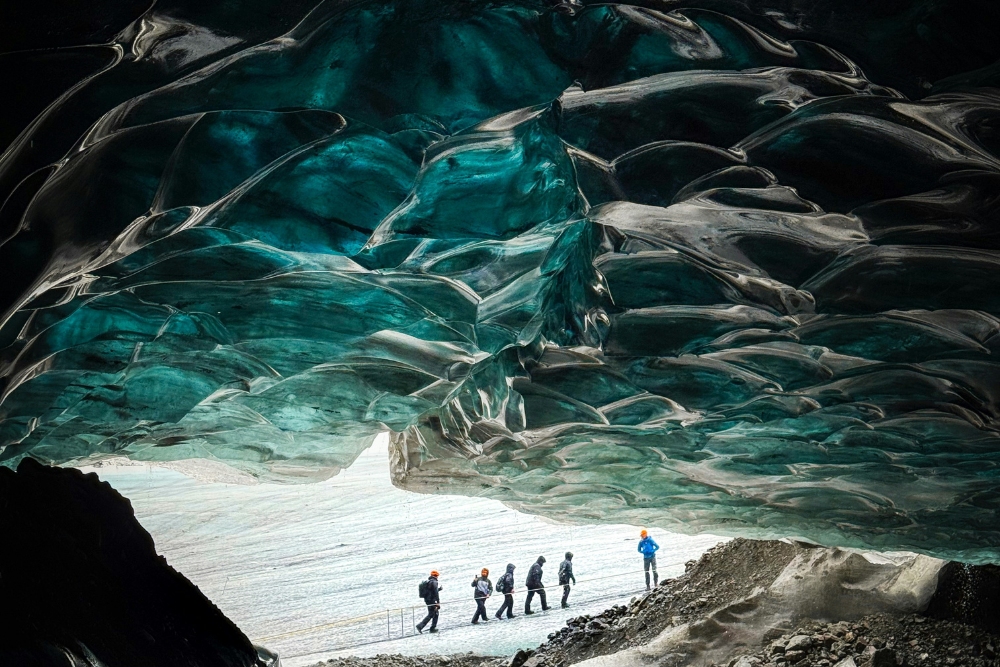
Arctic Adventures. One of the longest-established certified operators in Iceland, covering glacier hikes, ice climbing, and multi-day expeditions. Their guides carry significant geological training, and their glacier tours include detailed explanations of the ice cave formation process and the retreat data for Vatnajökull. Good for travelers who want the geology alongside the activity.
Glacier Guides. Specialists in glacier access around Skaftafell and the southern edge of Vatnajökull. Small groups and a clear policy on route selection based on current ice conditions. A good option for families with older children who want a more immersive introduction to glacial landscapes than a standard viewpoint visit provides.
Local Guide. Based in the Skaftafell area, this operator runs some of the smallest group sizes available for glacier and ice cave tours. The emphasis is on depth over coverage: fewer sites per day, more time at each one. Well suited to travelers who want to actually understand what they are looking at rather than photograph it and move on.
Midgard Adventure. Operates primarily in the south and highland regions, with a strong focus on geological storytelling. Their guides frame each stop in the context of Iceland’s broader volcanic and tectonic history. A natural fit for anyone who has read the overtourism article and wants to visit less crowded sites with proper guidance.
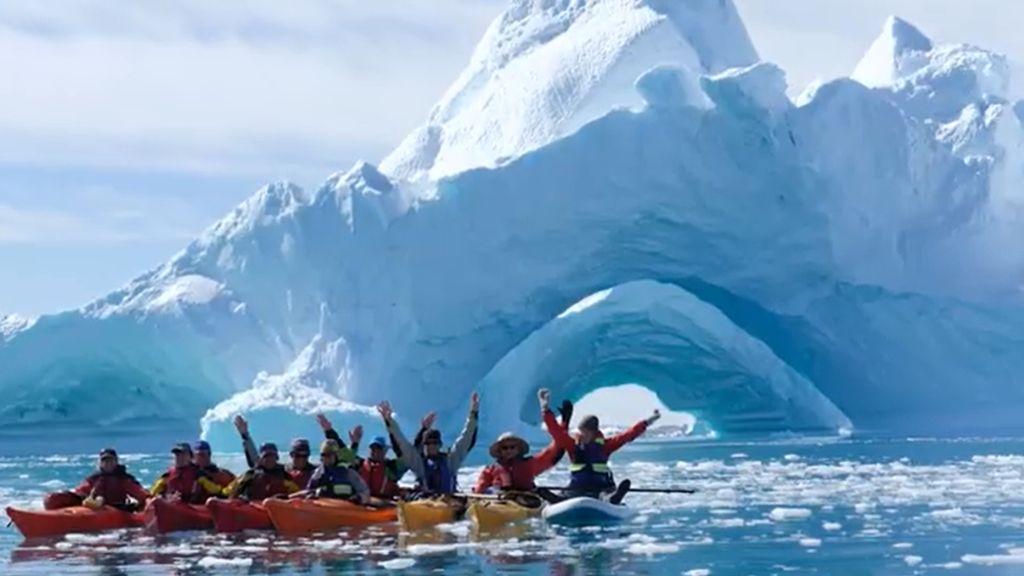
Kayak Iceland. Coastal and fjord kayaking on the Snæfellsnes peninsula and the south coast. The certification here covers marine environment protocols: approach distances from nesting seabirds, no-anchor zones near fragile seabed habitats, and guide training in coastal ecology. For travelers who want to read the landscape from the water rather than the road.
Three Questions to Ask Any Operator
These apply whether the operator is Vakinn-certified or not. The answers tell you more than any badge.
How large is your group for this activity? A specific number, not ‘small.’ If the answer is ‘it depends’ without further explanation, that is the answer.
What happens to waste during a field day? Pack-in pack-out is the baseline. If the operator has not thought about this, it shows in the field.
What ecological or geological training do your guides have? A guide who can explain why the lava fields around Reykjanes look different from those near Mývatn, or why the moss beside the trail is fragile in the way that it is, is a guide who will pass that understanding to the group. That understanding is what keeps the group on the path without needing to be told twice.
When No Certification Does Not Mean No Ethics
Vakinn certification requires time, documentation, and an audit process that not every small operator can resource. Some of the most careful operators in Iceland run two or three tours per week from a single vehicle and have never applied for certification because the administrative burden outweighs the marketing benefit for their scale.
The three questions above work equally well with these operators. A small family-run outfit in the Westfjords that limits groups to four people, briefs every client on the local ecology, and has been running the same route for fifteen years may be more careful with the land than a larger certified company running back-to-back groups in peak season.
The label is a useful filter when you have no other information. It is not a replacement for asking direct questions.
The operator you choose determines more than the quality of your day. It determines what your money funds: the size of the groups that follow you, the briefings the next visitors receive, the practices that become normal on that particular trail or glacier. Responsible travel in Iceland is not only about where you step. It is also about who you pay to show you where to step.
A full reflection on what Iceland ultimately teaches travelers about the planet they live on is coming as the final article in this series. What Iceland Teaches Us About Our Own Planet
Frequently Asked Questions
What is the Vakinn certification in Iceland?
Vakinn is Iceland’s official quality and environmental label for tourism operators, administered by the Icelandic Tourist Board. It has two components: a general quality standard covering service and safety, and an Environmental Certificate for operators who have passed an independent audit of their ecological practices. The environmental audit covers group size limits, guide training, waste management, and carbon reduction planning. Certification is renewed every three years.
How do I find certified eco tour operators in Iceland?
The Icelandic Tourist Board maintains a searchable register of Vakinn-certified operators on its website at ferdamalastofa.is. You can filter by activity type and certification level. When booking through third-party platforms, look for the Vakinn logo in the operator’s profile, or contact the operator directly and ask whether they hold the Environmental Certificate specifically, not just the general quality label.
Is it worth paying more for a certified tour operator?
Certified operators often cost the same as uncertified ones. Where a price difference exists, it typically reflects smaller group sizes and longer briefings rather than higher profit margins. The more useful question is whether the extra cost changes the experience: with a certified operator, you are more likely to spend time understanding what you are looking at rather than moving quickly between stops. For most travelers who have chosen to visit Iceland with some attention to the landscape, that difference is worth it.