
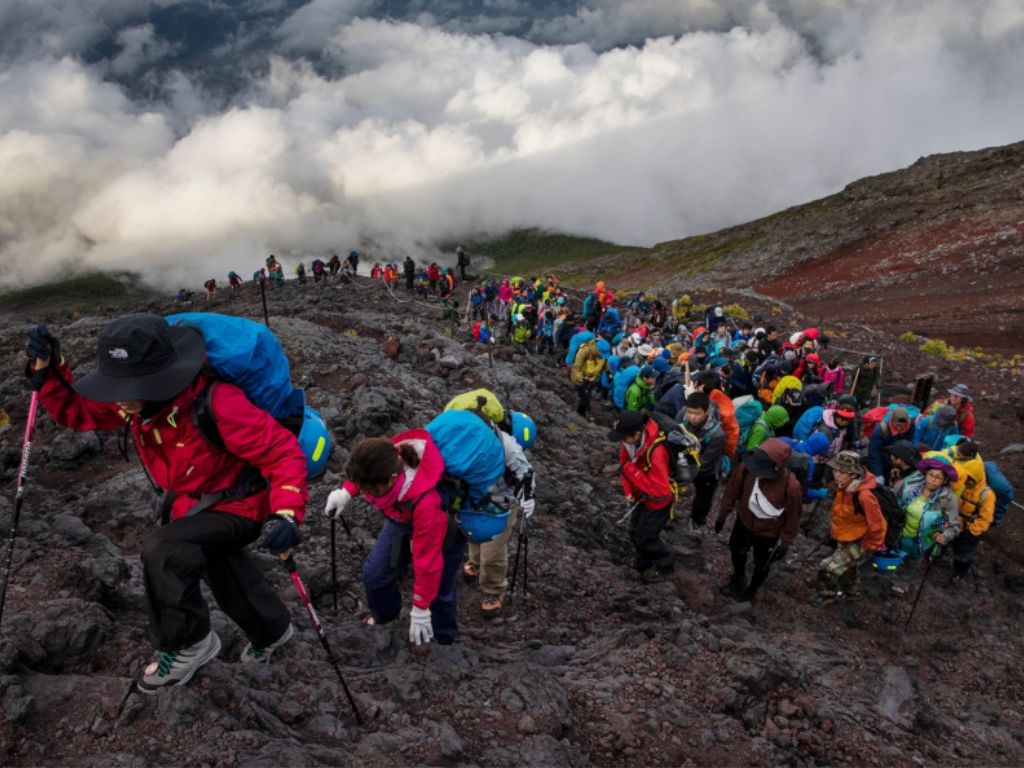
Japan overtourism sustainable tourism has become one of the most pressing questions in travel planning for 2026. The country receives over 35 million visitors a year. Mount Fuji, Kyoto, and Yakushima are under significant pressure. The Japanese government has responded with closures, taxes, and daily quotas. Knowing this changes how you plan.
Japan Overtourism: The Two Extremes
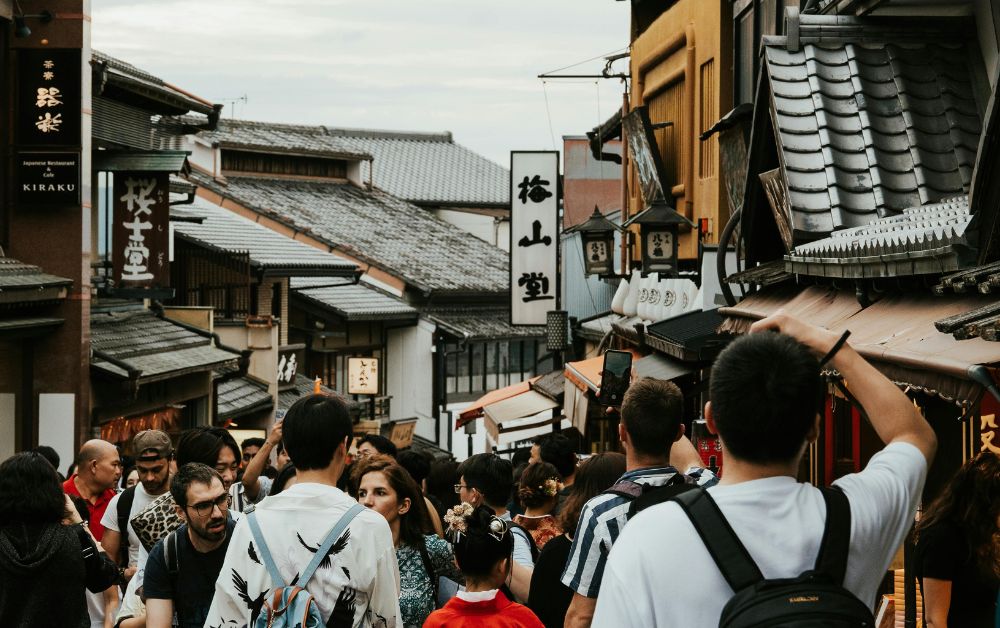
Mount Fuji and Kyoto have become the clearest illustrations of what happens when a place receives more visitors than it can absorb.
In summer, roughly 200,000 people attempt the Yoshida Trail between July and September. The mountain was never designed as a throughput system. In 2024, Fujiyoshida City installed a gate across the trail, closing it between 4 p.m. and 3 a.m. to reduce the number of unprepared climbers attempting overnight ascents. A fee of ¥2,000 now applies per ascent on that route. The summit is still reachable. But not the way it used to be.
Kyoto tells a different story. The pressure there is horizontal rather than vertical. The Gion district has restricted photography in private alleys after years of visitors ignoring residents and pursuing geisha for photos. Arashiyama’s bamboo grove is now accessed through timed entry on weekends. The experience has changed. Yakushima, the ancient cedar island listed as a UNESCO World Heritage Site, has responded with a daily permit system. Only a set number of hikers may enter the Shiratani Unsuikyo and Yakusugi Land forest areas each day. The number is finite. The forest is not.
What Japan Is Doing About Overtourism
The Japanese government’s response to overtourism has been methodical rather than reactive. Several measures are now active.
The Japan Tourism Agency, operating under the Ministry of Land, Infrastructure, Transport and Tourism, has been coordinating a national sustainable tourism strategy since 2023. Key tools include site-specific visitor caps at Yakushima and Fuji, a tourist tax applied in Kyoto on overnight stays, and investment in dispersal campaigns that actively promote lesser-known destinations.
The logic is geographic redistribution rather than restriction. Japan does not want to become inaccessible. It wants to become less concentrated.
Some municipalities have gone further. Fujiyoshida’s trail gate is the most visible example. But smaller towns near Kyoto have also begun limiting bus access and shortening visitor windows at select temples.
Lesser-Known Alternatives
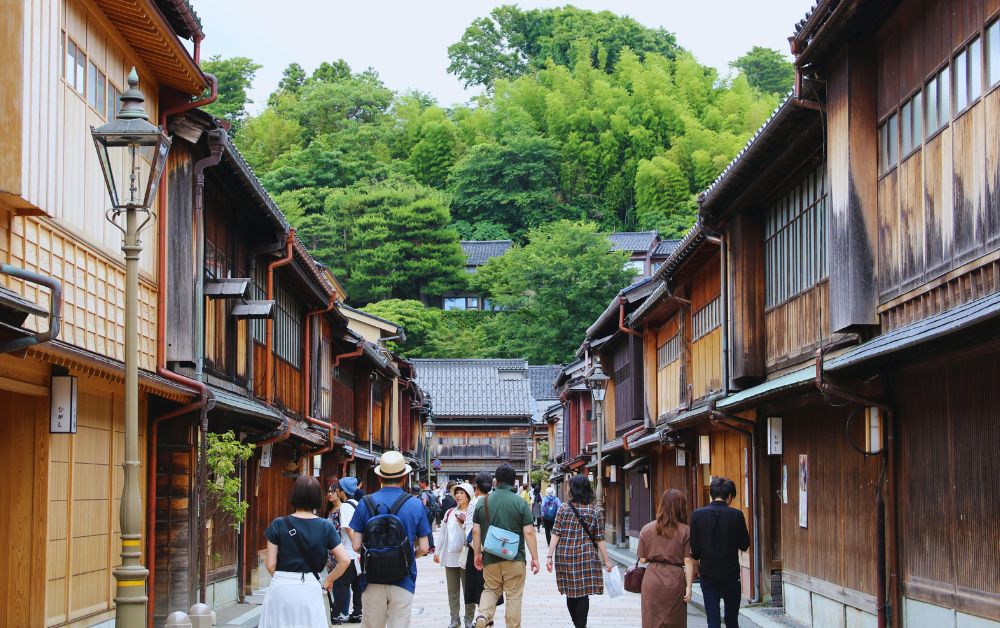
Every saturated site has a counterpart that offers a comparable experience with a fraction of the footprint.
If Fuji is your reason for traveling, consider the Yatsugatake volcanic range in Nagano. Formed by similar tectonic forces, it offers open ridgelines, genuine silence, and a geology lesson that rivals anything on the Yoshida Trail. For those drawn to Kyoto’s architecture and craft tradition, Kanazawa and Matsumoto offer preserved castle towns and Edo-period streetscapes without the queues. Both are accessible by Shinkansen.
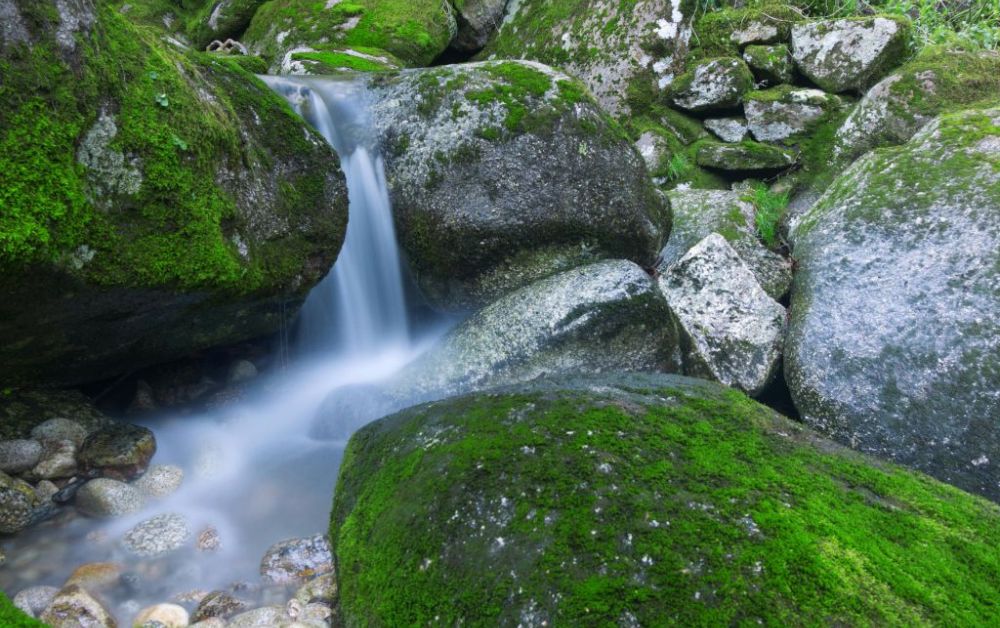
For Yakushima, Iriomote Island in Okinawa is a credible alternative for those seeking old-growth subtropical forest. Less known internationally, it receives a fraction of the visitors. The wildlife is different. The silence is the same.
The Traveler’s Checklist
Four decisions made before departure make a measurable difference.
Time your visit.
November through March, excluding Golden Week in late April and early May, is consistently quieter across most of Japan. Autumn in November is also one of the country’s most geologically and visually remarkable seasons.
Book through official channels.
The JNTO (Japan National Tourism Organization) website lists certified operators and entry systems for restricted sites. For Fuji, reservations for the Yoshida Trail are now managed online with daily limits during peak months.
Stay on the trail.
In Yakushima and across Japan’s protected volcanic landscapes, vegetation grows slowly. A footstep off the path in an ancient cedar forest takes years to undo.
Choose certified operators.
For guided travel, JNTO certification matters. [Eco-certified tour operators in Japan — coming soon] can take you to restricted areas responsibly and often have access to sites closed to independent visitors.
On Japan’s onsen circuits, where geothermal tourism has long been practiced with care, the same principles apply. The article Japan’s Onsen Culture: Why Geothermal Tourism Can Be Done Right explores how that model works and what makes it sustainable. are not consolation prizes. They are places that reward attention.
Frequently Asked Questions
| Is Japan too crowded to visit in 2026 ? Not if you plan with intention. The crowding is concentrated in predictable places at predictable times. Avoiding summer at Fuji, weekends in Gion, and August in Kyoto already removes most of the pressure. Japan’s lesser-known regions remain genuinely accessible. |
| Can you still climb Mount Fuji ? Yes. The Yoshida Trail is the most regulated route, with a night gate and a ¥2,000 fee per climber. Other trails (Subashiri, Gotemba, Fujinomiya) have their own access conditions. The climbing season runs from early July to early September. Outside that window, the summit is closed for safety. |
| What is Japan actually doing about overtourism ? Japan is pursuing a dispersal strategy: visitor caps at the most affected sites, tourist taxes in Kyoto, daily permits for Yakushima, and active promotion of alternative destinations. The goal is redistribution, not restriction. About the Author Daniel is a geoscience writer and the editorial voice behind Geonatra. He has traveled Japan’s volcanic landscapes from Hokkaido to Kyushu, tracing the tectonic forces that shaped the archipelago. He writes about Earth science for curious travelers who want to understand what they are standing on. |