
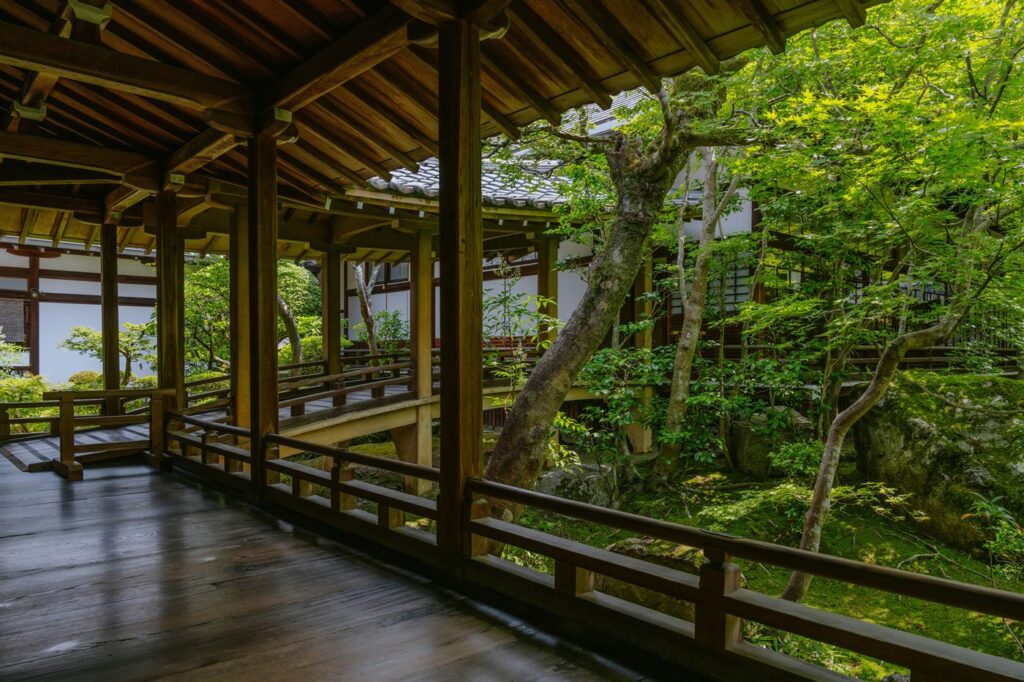
Japan for homeschoolers turns the country into a 14-day classroom. A family of four arrives at Narita on a Tuesday afternoon in early October, two children with backpacks half their own size. The parents do not call this a holiday. They call it a unit of study.
The eldest, twelve, has a hardcover field notebook with the first ten pages already filled. The youngest, nine, has a smaller notebook with stickers of volcanoes pasted into the cover. The father has a printed sheet folded into his back pocket, headed Japan: Term One. Five subjects. Fourteen days. The plan is on a single page. For the next two weeks, mornings will be on volcanic rock. Afternoons will be at the journal. Evenings will be at language exchange in a ryokan dining room. School will be in motion.
Japan Homeschool Travel Curriculum: The Short Answer
Japan homeschool travel curriculum in fifty words: a fourteen-day Japan trip can be structured as five integrated subjects (Earth Science, Social Studies, Language Arts, Math, Environmental Citizenship). Each day produces documented work. The portfolio is suitable for state-by-state homeschool credit. The country itself supplies most of the lesson material.
Why Japan for Homeschoolers Works
Japan is unusually well suited to homeschool fieldwork.
It is one of the safest countries in the world for children, with low crime rates, reliable infrastructure, and a culture that watches out for unaccompanied minors. A family of foreign visitors with children moves through the country with significantly less friction than in most travel destinations.
The country is also unusually legible. The geology is visible (active volcanoes, hot springs, exposed rock formations all within reach of a JR ticket). The history is visible (Edo-period roads still walkable, castles still standing). The language is visible (signs in romaji at transit points, kanji at every temple). The etiquette is visible (an onsen has rules, a temple has rules, a train has rules). For a child learning to read complex systems, Japan presents systems that read clearly.
The depth is what holds the older child. Surface tourism here is fine. Deeper engagement is endless. The same volcano that fascinates a nine-year-old at the fifth-station trail can hold a sixteen-year-old at the petrology level. The foundation piece on teaching kids to read this country lays out the elementary version of the approach.
The Five Units: A Curriculum on the Ground
The five subjects below cover most state homeschool requirements for any grade between fourth and tenth. Adapt depth to the child.

• Earth Science. The volcanic geology of Japan is one of the cleanest natural laboratories on the planet. Lava layers at Fuji’s fifth station, fumaroles at Hakone, the Aso Caldera rim, the granite of the Japanese Alps: each is a working classroom. The Geological Survey of Japan publishes free downloadable maps. A child with a 10x hand lens and a notebook can identify basalt, andesite, granite and obsidian in their original outcrops.
• Social Studies. Anthropology lives in the daily details. Onsen etiquette is a unit on hygiene history and group norms. Temple visits are a unit on Buddhist and Shinto practice still in active use. Ryokan stays are a unit on hospitality as social structure. Each visit produces an evening discussion and a written reflection.
• Language Arts. Hiragana, katakana and basic kanji are within reach of two weeks of daily exposure. The combini sign, the train station name, the temple gate: each is reading practice. By the end of two weeks a motivated child of ten or older can typically read katakana fluently and recognise around fifty common kanji on sight.
• Math. Train timetables are an entire word-problem unit. Distance, speed, time, conversion between metric and imperial, percentage discounts on the JR Pass. Yen-to-dollar conversion is daily mental arithmetic.
• Environmental Citizenship. Trash sorting at every station bin, mottainai as observed practice, the JMA volcanic alert system as risk-management literacy. The country teaches environmental citizenship at every interaction with public infrastructure.
A Sample Two-Week Schedule
japan for homeschoolers. The shape of a typical homeschool day on this trip is consistent.
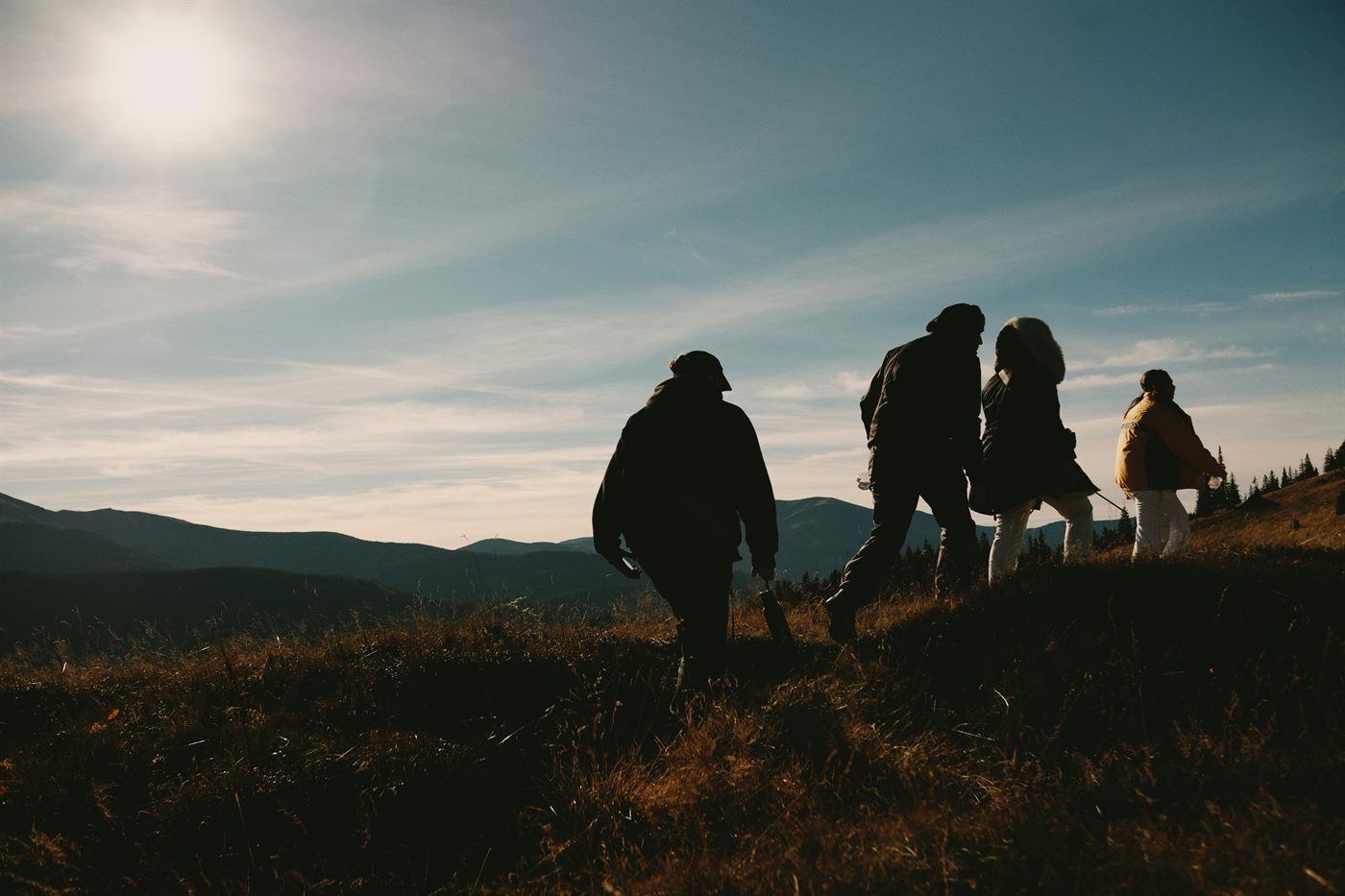
Mornings, before the sites are crowded, are field time. The child carries a notebook and a hand lens. The parent points out features. The child sketches, takes notes, identifies, asks questions. By eleven o’clock, the morning’s lesson is on paper.
Afternoons are flexible. Cultural visits (a temple, a museum, a market) happen in the afternoon when energy is lower and observation is the main task. Travel between cities also happens here, with train rides converted into language and math practice.
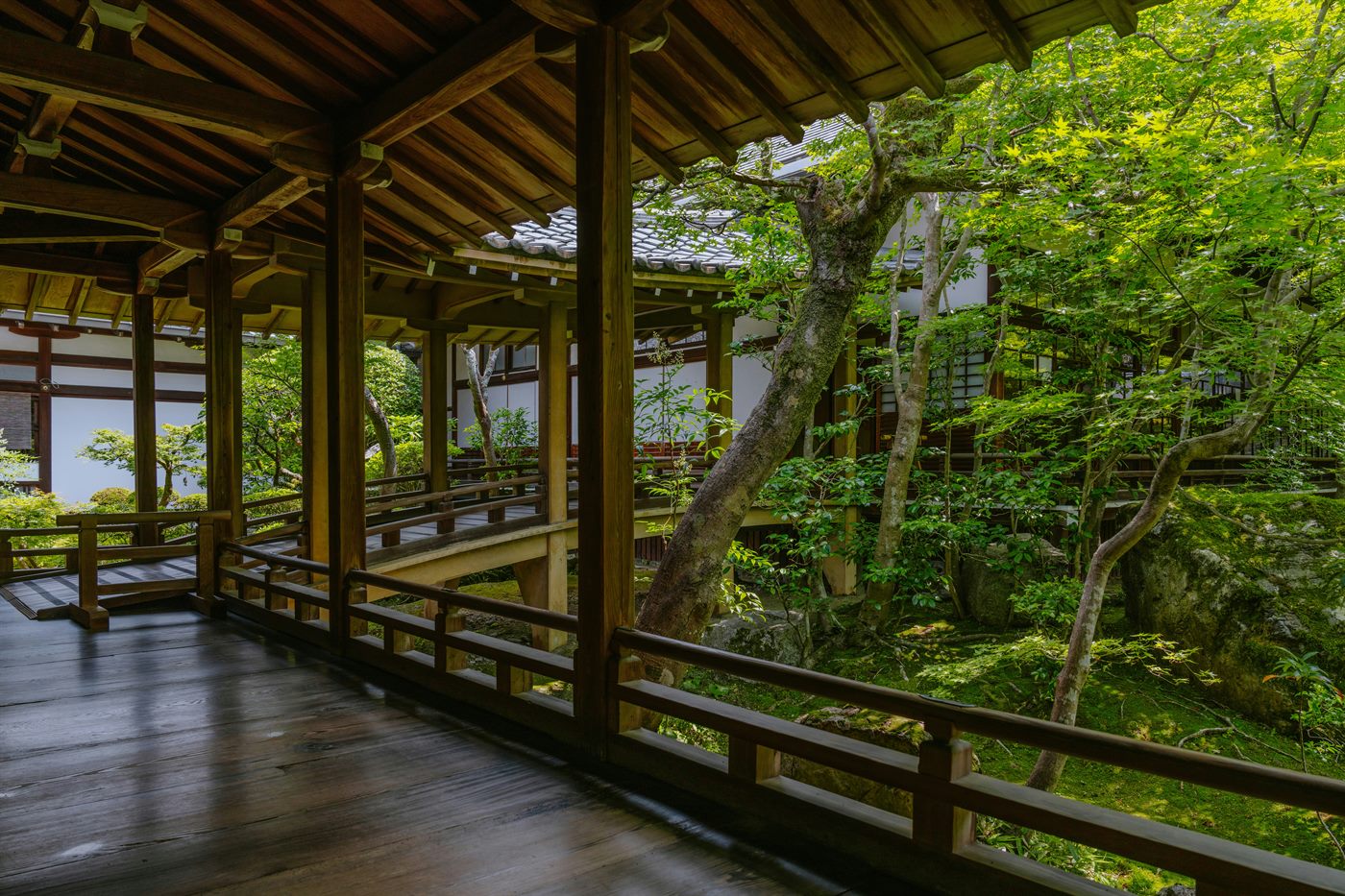
Evenings, in a ryokan, are write-up time. A child completes the day’s notebook entries with labels, dates, and a short paragraph describing what was learned. A parent spends thirty minutes on Japanese language together. Bedtime is early. The next morning starts before the temples open.
The fourteen-day rhythm follows the published fourteen-day route through Tokyo, Hakone, Fuji, the Alps, Kyoto, Hiroshima and Aso, with stops timed for educational rather than tourist density. By day fourteen, the field notebook is the term’s portfolio.
Documenting the Trip for Credit
The output of the trip is a portfolio. The portfolio is what makes it credit-eligible.
A typical homeschool portfolio for this curriculum contains four elements. First, the student’s field notebook with daily entries (sketches, observations, written reflections, dated). Second, a photographic record curated by the student, with captions explaining what each image shows geologically or culturally. Third, a final written piece (an essay for older students, a documented project for younger ones) on a chosen aspect of the trip. Fourth, a parent’s log noting time spent on each subject across the fourteen days.
The exact requirements vary state by state. California requires a parent’s affidavit. Texas allows wide formats. Pennsylvania requires standardised testing in some grades. Most states accept a well-documented travel portfolio as evidence of completed instructional time, especially when the parent log shows hours.
The wider responsible-travel framework that this trip sits inside also has an educational dimension. The etiquette of bathing as a social-studies lesson is a small example. The systematic respect for active geology that the country practices is itself one of the curriculum’s deepest takeaways.
Frequently Asked Questions
What ages does this work best for?
The curriculum scales between roughly fourth grade (age 9-10) and tenth grade (age 15-16). Younger children can participate but the writing becomes mostly oral. Older students can take on independent research projects on specific volcanoes or historical sites. Below age eight, treat the trip as enrichment rather than formal credit.
How long does the curriculum need to be?
japan for homeschoolers. Two weeks is the natural minimum to cover all five subjects substantively. One week works as a focused unit, typically Earth Science plus Social Studies. Three weeks allows depth on individual sites and inclusion of Hokkaido or Yakushima. Many homeschool families return repeatedly, treating each trip as a different term.
Will the geology really hold a teenager’s attention?
Surprisingly, yes. The combination of active volcanoes, real risk, real monitoring data and clear practical applications (when do schools close, when do trains stop) gives the subject an immediacy that classroom geology rarely has. The Japanese landscape teaches itself.
About the Author
Daniel writes for Geonatra from the field, reading landscapes the way others read libraries. He has accompanied families with school-age children on slow-format Japan trips, watching the field notebooks fill page by page, with one quiet question in mind: how a fortnight can teach more than a term at a desk.