
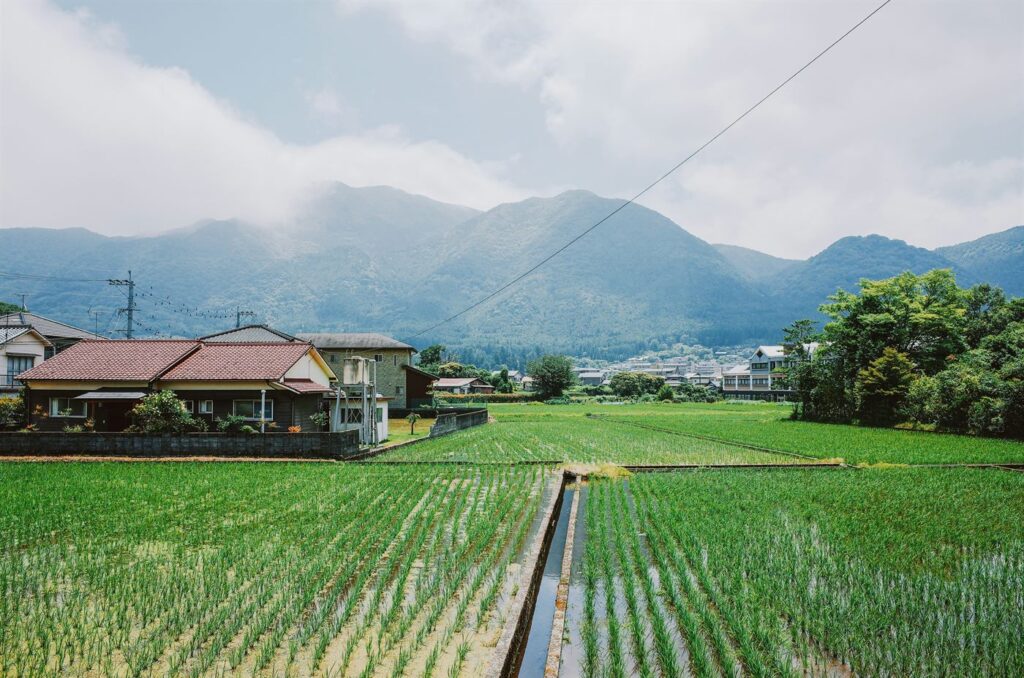
What Japan teaches travelers begins after they leave. A Saturday morning, three months after the trip. The traveller is back in his own town, walking the local trail behind the house. The trees are different from the cedars of Yakushima. The rocks underfoot are different from the andesite of Hakone. The light is different. None of this is Japan.
Yet something has changed. The trail is being read differently. A neighbour’s old wooden shed, leaning slightly, registers as something that has been useful for fifty years and may continue for another fifty. The trip ended weeks ago. The way of looking has not. This piece is an attempt to put words on what gets carried home.
What Japan Teaches: 3 Nature Philosophy Lessons
This guide to Japan nature philosophy travel lessons covers three principles from this country: mottainai (the regret of waste), mono no aware (beauty in impermanence), and satoyama (land and humans as partners). Together they form a quiet ethics for living with the Earth that travels home with the careful traveller.
What Japan Teaches: The Mottainai Lesson
The first principle is the most concrete.
Mottainai is the Japanese word for the regret one should feel when something useful is wasted. The food on the plate left uneaten. The cloth thrown out before its working life ends. The wooden tool replaced by a plastic one. The building demolished while it still has decades of use in it.
Across Japan the principle is so embedded that visitors often miss it as a separate idea. The ryokan in Iya Valley is two hundred years old, still in use, still being repaired with the same wood and joinery. The cotton furoshiki cloth wrapping your gift can be rewrapped indefinitely. The kintsugi bowl on the shelf has been broken and rebuilt with golden lacquer, and is more valuable for having been broken.
What changes when you carry mottainai home is a sense of dignity attached to wear. The chair your grandmother used. The shoes resoled twice rather than replaced. None of it is heroic. It is alignment with a different relationship to objects.
The Lesson of Mono no Aware: Beauty in Impermanence
The second principle is harder to translate.
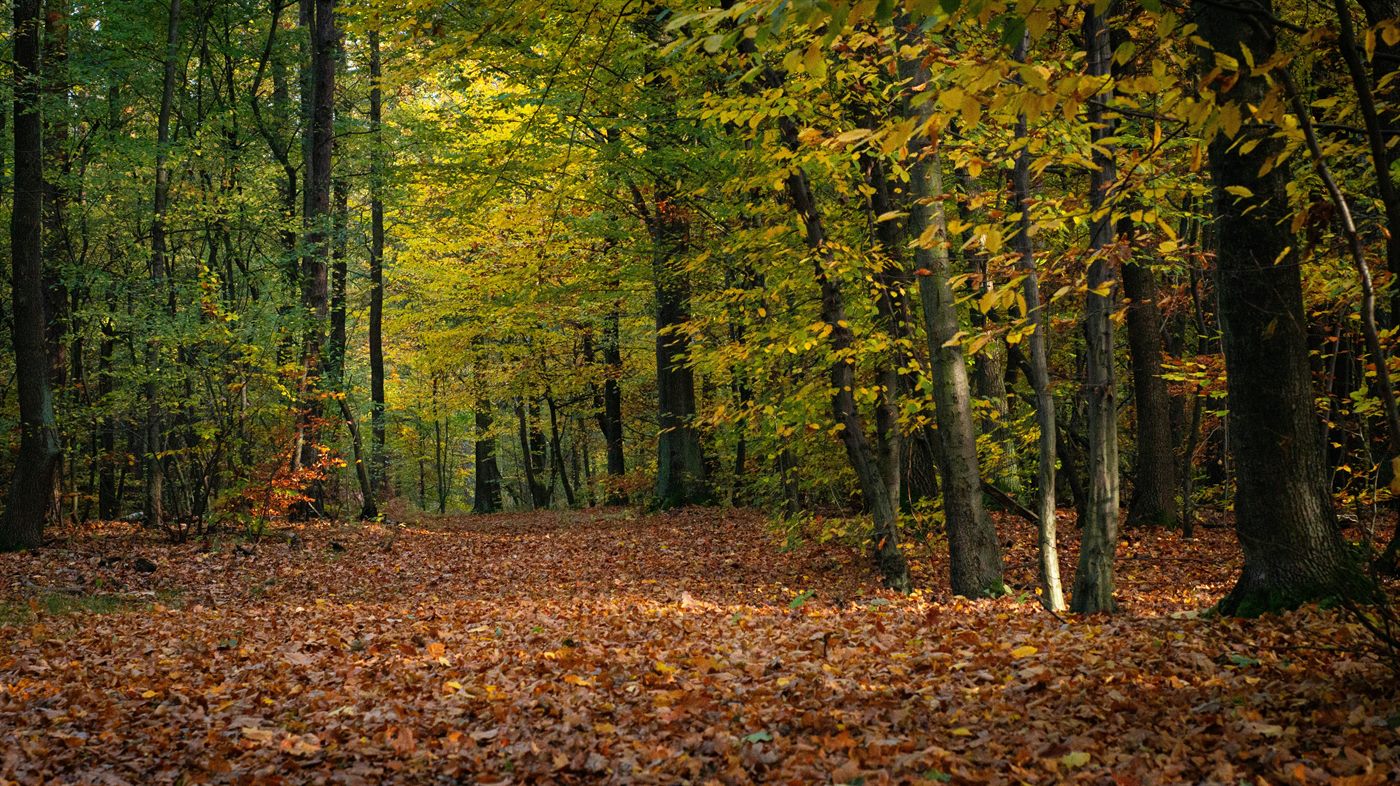
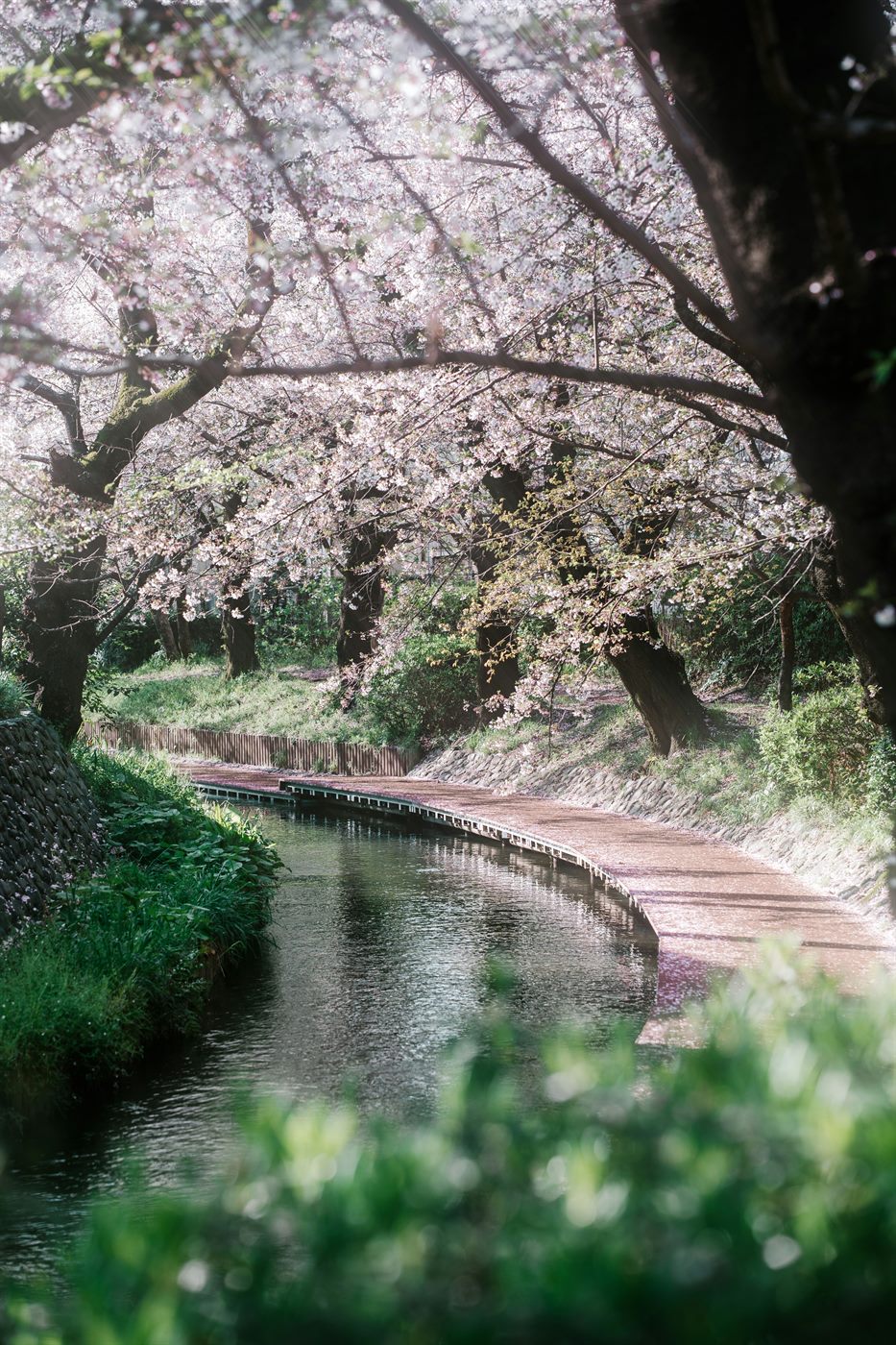
Mono no aware names the gentle, slightly melancholic awareness that all things pass. Cherry blossoms last a week. Maple leaves last a fortnight. Steam rising from an onsen valley dissipates into morning mist. The culture has learned to find this combination not tragic but calming.
The principle changes how the traveller reads the country’s geology. A volcano in active eruption is a moment in a long arc of building and unbuilding. A coast lifted by an earthquake is a phrase in a country still being written in geological time. The cedar that has stood on Yakushima for three thousand years is a slower version of the same insight.
What this changes back home is real. The autumn outside your window is briefer than the spring. The dog at your feet is in his ninth winter. None of this is sad. It is mono no aware. It is what you noticed in Japan.
The Lesson of Satoyama: The Earth as Partner
The third principle most reshapes the relationship to the natural world.
Satoyama names the working landscape between mountain wilderness and human settlement: the wooded ridge, the terraced rice paddy, the small spring, the village edge, all managed together as a single system. For at least a thousand years, Japanese rural communities have worked the satoyama collectively. The forest is not a separate object to be preserved. The village is not a separate object to be developed. They are two parts of one ecology.
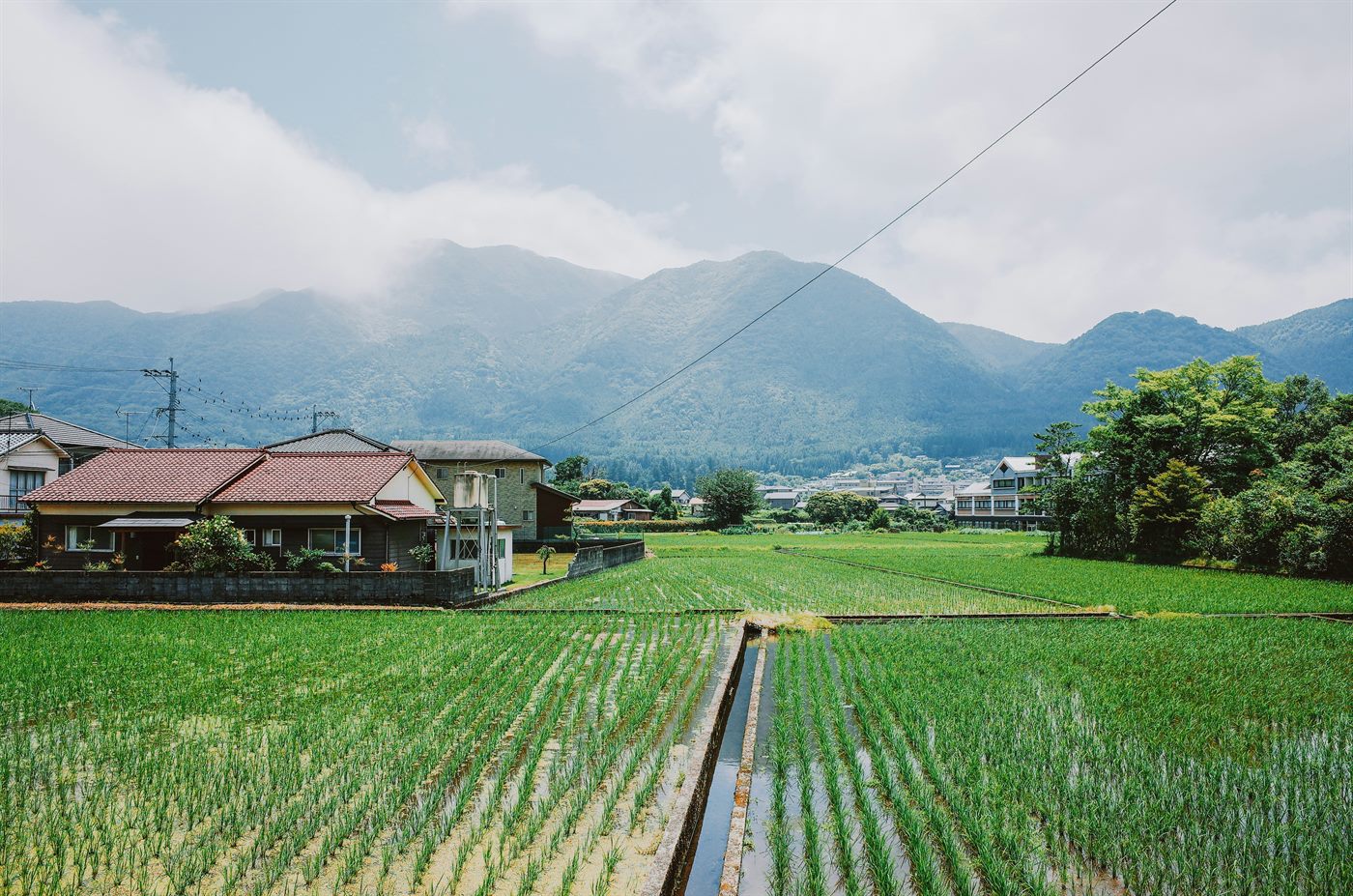
The Geological Survey of Japan documents how this management has shaped the soil itself in many regions, with centuries of careful clearing, planting and rotation. The landscape is not “natural” in the Western sense. It is co-authored.
Western environmental thinking often divides the world into “wilderness to protect” and “developed land to use.” Japan’s satoyama tradition does not accept the division. Land is always working, always partnered with human attention. The volcanic landscapes of Kyushu, with their farmed caldera floors, are the most dramatic example.
What this changes back home is the way you see your own region. Not pristine wilderness on one side and concrete on the other. A continuum.
What Japan Teaches: Lessons That Travel Home
The three principles do not translate as new techniques. They translate as a new way of looking.
Mottainai shows up first in small refusals. A plastic bag declined. Trousers mended rather than replaced. None of this is a campaign. It is the way the world looks slightly different now that mottainai has a name in your vocabulary.
Mono no aware shows up in attention. The slowness with which a leaf falls. The quiet awareness that the people you love are temporary. This does not lead to mourning. It leads to better attention while there is still time to give it.
Satoyama shows up in how you read your own surroundings. The neighbour’s garden is part of the same ecology as the woodlot. The local creek is part of the same system as the kitchen tap. The boundary between “natural” and “lived” softens.
These lessons sit alongside the wider responsible-travel framework that hosts them. They are the philosophical base layer.
Closing the Season: Where the Map Continues
This article is the last in our Japan Season 2 dossier.
Across the season, four pillars have laid out four different relationships with the country. The science behind the country’s structure explains why Japan looks the way it does. The practical itinerary across the country gives travellers a working route. The cartography of the country’s significant places marks where the geology speaks loudest. The framework holds it all together.
This closing piece is not a summary. It is a hand-off. The questions Japan opens up do not stay in Japan. The principles that emerged from this season apply to almost any country read with care.
The next season will move elsewhere. Different geology, different language. The same questions. The map continues.
Frequently Asked Questions
Are these lessons specific to Japan or universal?
The principles themselves are universal in spirit. Care, attention, impermanence and partnership are not Japanese inventions. What is specifically Japanese is the depth of practice over many centuries, and the precise vocabulary that names each idea cleanly. Visitors learn the words from Japan and then notice the principles already alive elsewhere.
Can I apply mottainai if I don’t speak Japanese?
Yes. The word is useful as a label for an attitude you may already have, but did not have a name for. You do not need Japanese fluency to apply the idea. Many people who use mottainai in everyday life have only ever heard it once, and that was enough.
What’s the most important lesson if I had to pick one?
Probably satoyama. The other two are individual practices. Satoyama is structural: it changes how you see the relationship between human life and the land. That shift, once it happens, tends to make mottainai and mono no aware easier to practice almost as side effects.
About the Author
Daniel writes for Geonatra from the field, reading landscapes the way others read libraries. He returned from Japan with a small notebook and three new words, all three of which still appear in conversations months later. This article is what those conversations sound like written down.