
Japan family geology is one of the best ways to travel with curious kids. Sitting at the junction of four tectonic plates, Japan offers 110 active volcanoes, nearly 3,000 hot springs, and a landscape where seismic activity is simply part of daily life. Children can observe fumaroles, touch volcanic rocks, and feel the logic of the Earth without needing a textbook.
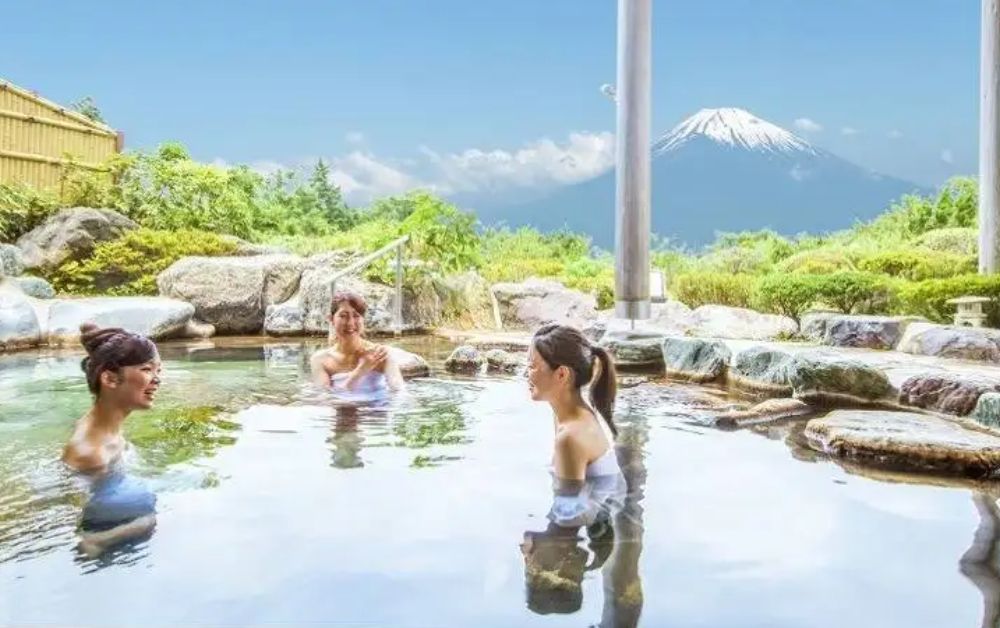
A child sits at the edge of an outdoor pool in Hakone, watching steam rise off water that is almost too hot to touch. “Why is it so warm?” she asks. Her father shrugs. The answer, as it turns out, starts about 30 kilometers below them, where a tectonic plate is slowly sliding under another and releasing enormous amounts of heat. That heat finds its way to the surface through cracks and faults, warms groundwater, and fills thousands of bathing pools across the country.
Japan family geology is arguably the best natural classroom on Earth for children curious about how the planet works. You do not need to explain subduction theory in the abstract. You just need to bring them here and let the landscape do the talking.
Japan Family Geology: Why This Country Is the Lesson
Most countries require a certain amount of imagination to turn a landscape into a geology lesson. Japan does not. The evidence is everywhere and it is visible, audible, sometimes even felt underfoot.
In Tokyo alone, the Japan Meteorological Agency records an average of 1,500 minor seismic events per month. Many go unnoticed. Some cause a brief rattle of the windows. For a child who has just learned that the Earth is made of moving plates, experiencing a micro-tremor is not frightening. It is confirmation. The textbook just moved.
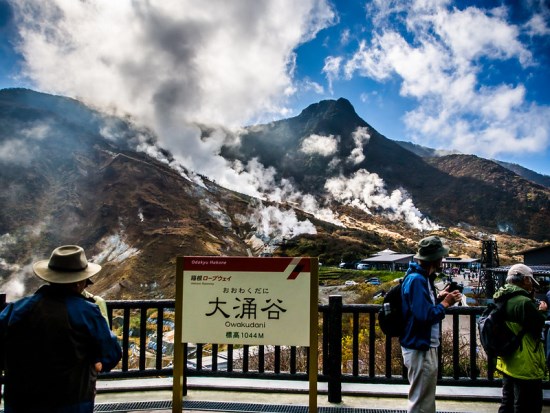
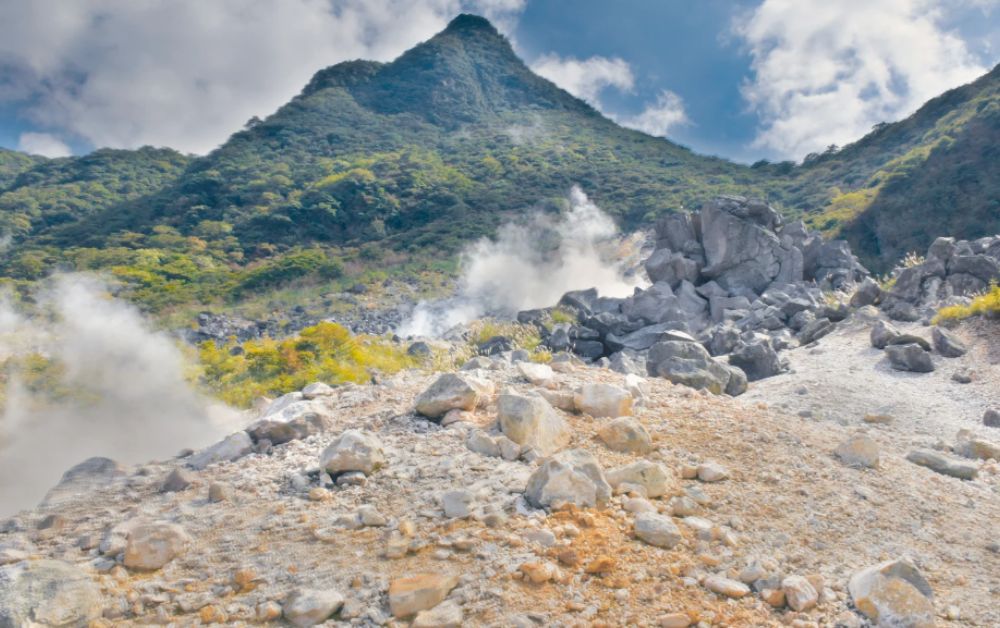
At Owakudani in Hakone, sulfurous steam rises continuously from fumaroles along the old crater rim. The smell is sharp, the color of the vents is vivid yellow-white, and the source is unmistakably geological. Children who visit Owakudani do not need a diagram to understand that something is happening beneath the surface. They can see it, smell it, and hear it hissing.
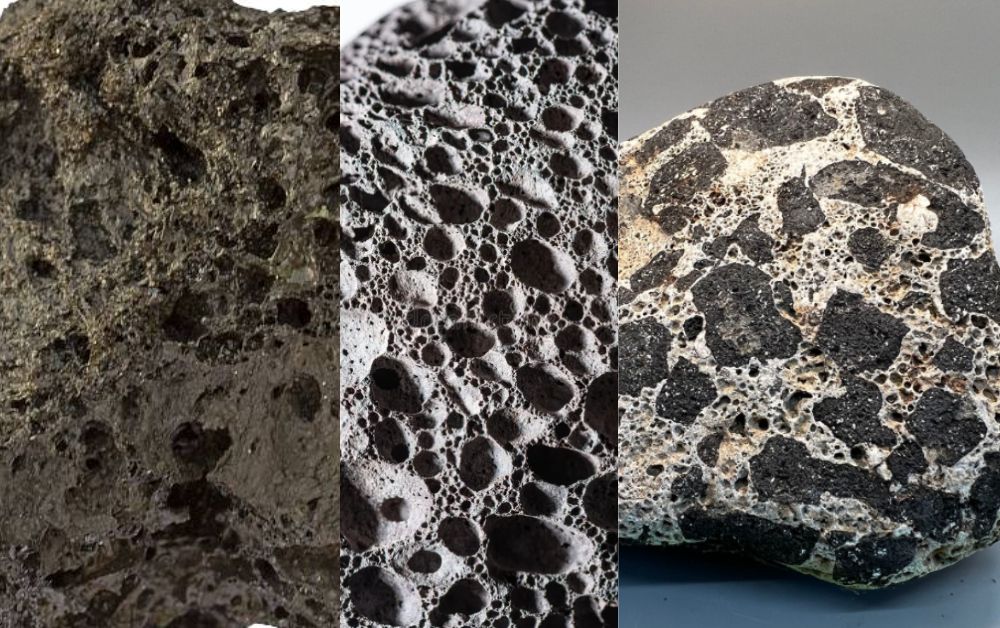
Japan’s rocks also tell the story plainly. The dark, glassy stones found near volcanic sites are often obsidian or basalt, cooled lava. The gray, coarser rock on the slopes of Mount Fuji is andesite, the signature rock of a subduction volcano. A child who learns to tell one from the other has begun to read the landscape the way a geologist does.
3 Japan Family Geology Sites for Kids
Not every volcanic or geological site in Japan is equally accessible or appropriate for children. These three offer the right combination of visibility, safety, and learning potential.
Hakone
Hakone is, geologically speaking, a caldera. Visitors sleep, eat, and soak in hot springs inside what remains of a very old volcanic structure. The Owakudani active zone offers a clear, safely managed view of fumaroles and volcanic vents. The ropeway over the crater gives a perspective that no diagram can match. Children often grasp the concept of a volcano’s lifecycle more clearly after ten minutes at Owakudani than after an hour of reading.
Mount Fuji Fifth Station
The ascent to the Fifth Station does not require full climbing gear and is accessible to most families. The volcanic rocks along the trail are easy to identify: dark scorias, glassy fragments, and layers of ash compressed over centuries. Fuji is a stratovolcano, meaning it was built up by successive eruptions of lava and ash. That layered structure is visible on the slopes if you know where to look. It is a useful exercise to ask a child to count the layers they can see on a cut face of rock. Each one is a different eruption.
Beppu, Kyushu
Beppu is home to eight distinct geothermal pools, locally known as the “hells”. Each has a different color, temperature, and chemical composition, reflecting the varying geology beneath. One is deep cobalt blue from dissolved minerals. Another is red from iron oxide. A third bubbles like mud. For an older child, comparing the eight pools and asking why they look so different is a genuine scientific investigation. The answer connects water chemistry, rock type, and underground heat flow in a way that is genuinely engaging.
Activities by Age Group
The range of meaningful activities depends on the child’s age, but the core principle is the same across all of them: connect what is visible to what is happening beneath.
Ages 6 to 10
- Collect and compare volcanic rocks. Dark and heavy is often basalt or scoria. Gray and dense is often andesite. Glassy and black is obsidian. Note: rock collection is prohibited in many protected areas in Japan; this exercise works best with rocks purchased at visitor centers or already loose on permitted paths.
- Feel micro-vibrations. Many hotels in seismically active areas have small seismograph displays in the lobby. Show a child how the needle moves and explain what it is measuring.
- Draw a cross-section of a volcano. After visiting Owakudani or the Fifth Station, ask the child to draw what they think is happening underground. The results are often surprisingly accurate.
Ages 11 to 14
- Trace the onsen chain. Start with the question: where does the water in the hot spring come from? Work backwards from the bath to the aquifer, to the heated rock, to the magma chamber, to the subducting plate. It is a five-step chain that covers most of the key concepts in plate tectonics.
- Read a live seismic map. The Japan Meteorological Agency publishes real-time earthquake data at jma.go.jp. Pulling it up on a phone and identifying where that morning’s activity occurred is a grounding exercise in reading scientific data.
- Compare water chemistry at Beppu. Ask the child to record the color, smell, and temperature of each “hell” pool and hypothesize why each is different. Then read the explanatory panels together and compare.
The Child Who Understands Does Not Pollute
There is a straightforward logic to this. A child who knows that the water in an onsen comes from a geothermal system connected to deep volcanic activity treats that water differently. It is no longer just a warm bath. It is the surface expression of a process that has been running for millions of years. Shampoo and soap belong in the shower beforehand, not in the pool. The rule suddenly makes sense.
This is the real value of japan family geology educational travel: understanding precedes respect. It is not about lecturing children on environmental ethics. It is about giving them the knowledge to arrive at that respect on their own.
The same logic applies to the trails on Yakushima, to the fumarolic zones at Owakudani, and to the summit areas of Fuji where fragile volcanic soil can take decades to recover from foot traffic. A child who understands why a trail exists where it does, and what lies on either side of it, is less likely to wander off it.
For more on how Japan’s onsen culture models this kind of responsible relationship with geothermal resources, see our article on
For more on how Japan’s onsen culture models this kind of responsible relationship with geothermal resources, see Japan’s geothermal culture and responsible travel. And if you are planning a family visit, our piece on what Japan’s most visited sites are currently going through is worth reading before you book.
Frequently Asked Questions
What is the best age to bring kids to Japan for geology?
There is no strict minimum, but children from about six years old can engage meaningfully with observable geology: colored rocks, steam vents, warm water. Older children, from 10 to 14, can handle more conceptual connections, like tracing the path from tectonic plate to hot spring. The key is choosing sites that make geology visible rather than abstract.
Are volcanic sites in Japan safe for children?
Most sites regularly visited by families, including Owakudani in Hakone and the Fifth Station on Fuji, have well-maintained safety perimeters and are monitored continuously by the Japan Meteorological Agency. Alerts are posted when activity increases. It is always worth checking current conditions on jma.go.jp before visiting any volcanic area.
How do I explain tectonic plates to a 7-year-old at an onsen?
Start with what they can feel: the water is warm. Ask where the warmth comes from. Then work down, layer by layer. Underground water is heated by hot rock. The rock is hot because something much deeper is very slowly pushing one piece of the Earth under another, and that friction produces heat. The water finds a crack and rises. That is the bath they are sitting in. Most children find this chain of cause and effect deeply satisfying.
About the Author
Daniel is the founder of Geonatra and has traveled extensively across volcanic regions in Europe, Asia, and the Pacific. He writes about the intersection of Earth sciences and responsible travel, with a particular interest in making geology accessible to families and curious non-specialists. He has visited Japan’s geothermal regions multiple times, most recently in autumn 2025.