
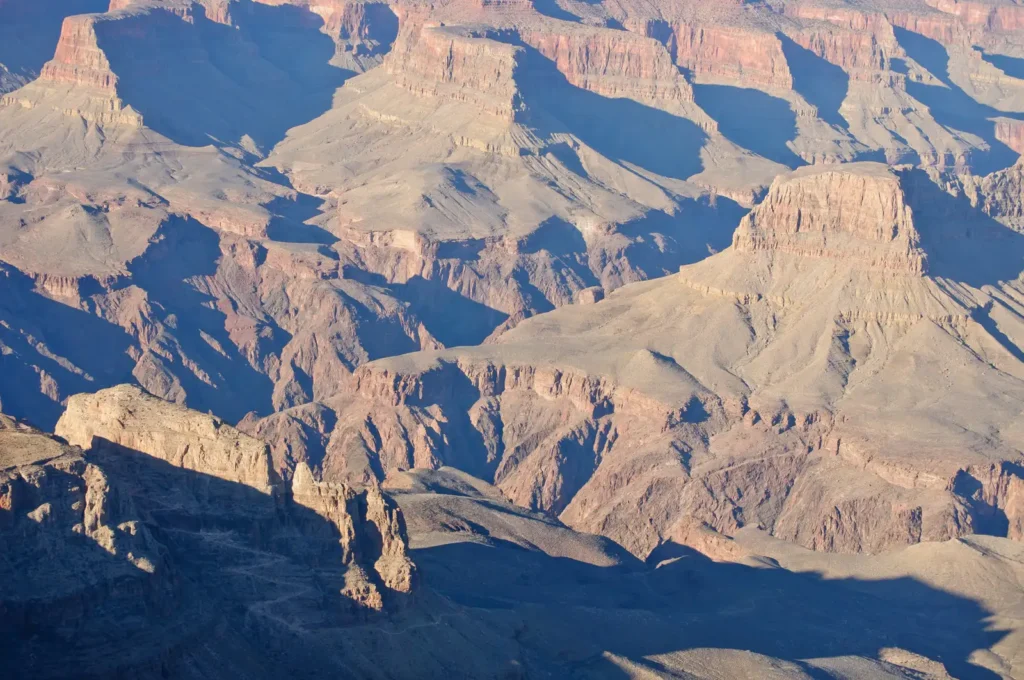
The trail drops fast. Switchback after switchback, the South Kaibab Trail plunges toward the Colorado River, and for the first two hours it feels less like a hike and more like a long walk downhill with a view. Then the trail turns around. What took two hours to descend can take five or six to climb back out, in heat that builds with every foot of elevation regained. Every year, rangers pull exhausted hikers off this route who started the morning certain they had underestimated nothing. The Grand Canyon South Rim to river hike is one of the most photographed trails in America, and one of the most misjudged.
What Is the Grand Canyon South Rim to River Hike?
The Grand Canyon South Rim to river hike descends roughly 4,800 feet from Grand Canyon Village to the Colorado River, most often down the South Kaibab Trail and back up the Bright Angel Trail. Completed in a single day, it covers about 16 miles round trip and crosses nearly two billion years of exposed rock along the way.
Why It’s Extraordinary
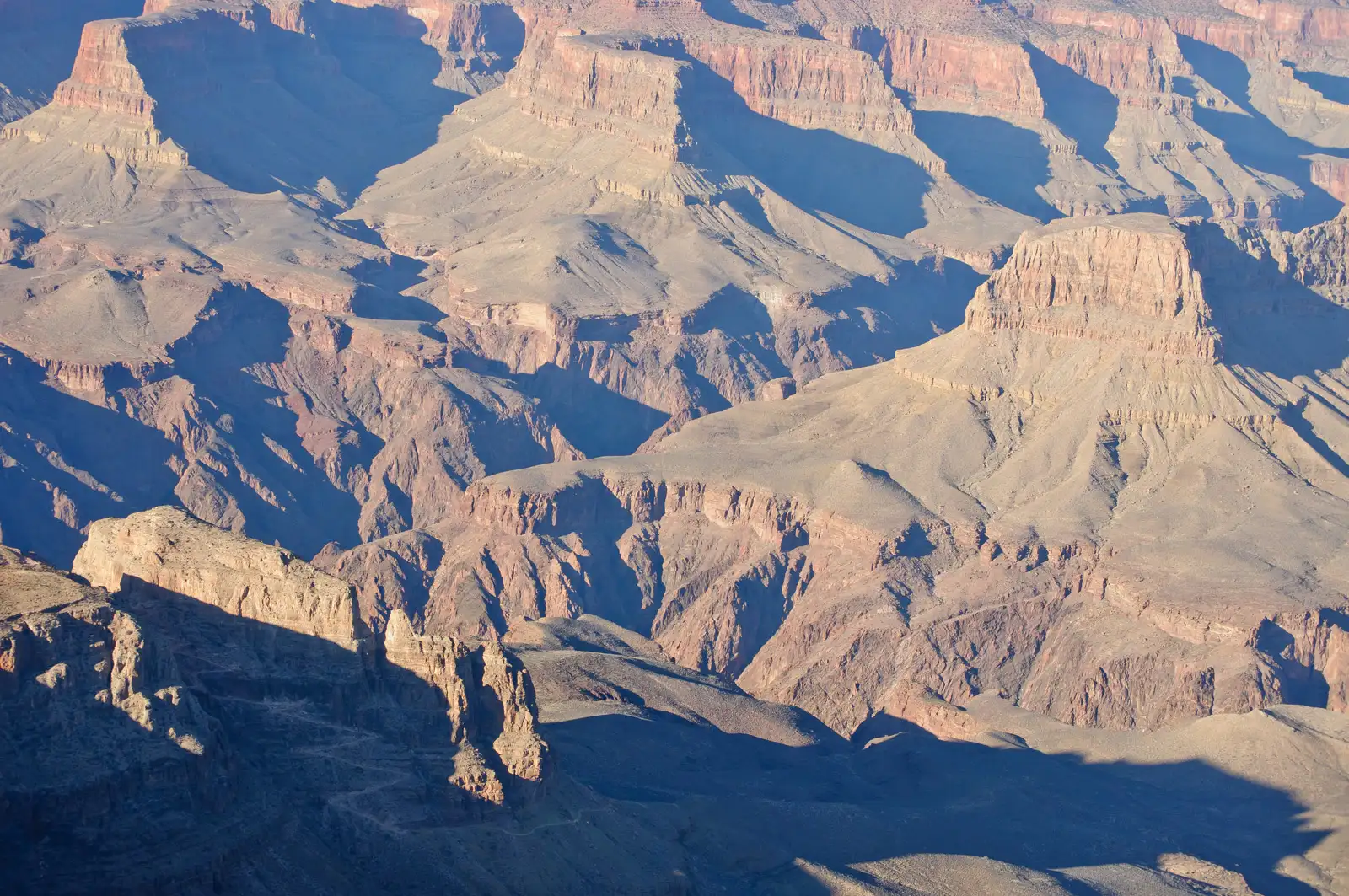
Most hikes reward you with a view. The Grand Canyon South Rim to river hike rewards you with depth instead. The South Kaibab Trail exposes rock layers stacked across roughly two billion years, from the pale Kaibab limestone at the rim to the dark, twisted Vishnu schist near the river, among the oldest rock most people will ever touch with their hands. Somewhere around mile four, the piñon and juniper of the rim give way to bare, reddish inner canyon terrain, and by the time the trail reaches the Colorado, cottonwood trees and running water have replaced the dry plateau completely, a different climate reached entirely on foot. Few day hikes anywhere cross this much geological and ecological ground in a single push. The physical cost is real too. Hikers descend more than 4,800 feet in a few hours and then climb every foot of it back out, usually into rising heat, which is exactly why the round trip has a reputation among Grand Canyon rangers as deceptively hard rather than simply long.
How to Get There and What It Actually Takes
Both trailheads for the Grand Canyon South Rim to river hike start inside Grand Canyon Village on the South Rim, a three to four hour drive from Phoenix or Las Vegas. No backcountry permit is required for a day hike, a detail that surprises many first-time visitors: the only requirement is the standard park entrance fee, checked at the gate. The recommended route descends the South Kaibab Trail, shorter and steeper with sweeping views but no water source, then returns via the longer, more gradual Bright Angel Trail, which has three seasonal water stations. Rangers strongly recommend starting before sunrise, ideally between April and May or September and October, when temperatures near the river stay survivable rather than dangerous. Hikers who would rather not navigate the logistics alone can book a guided South Rim hike or mule trip, which handles pacing, safety briefings, and permits for any add-on camping.
What to Bring
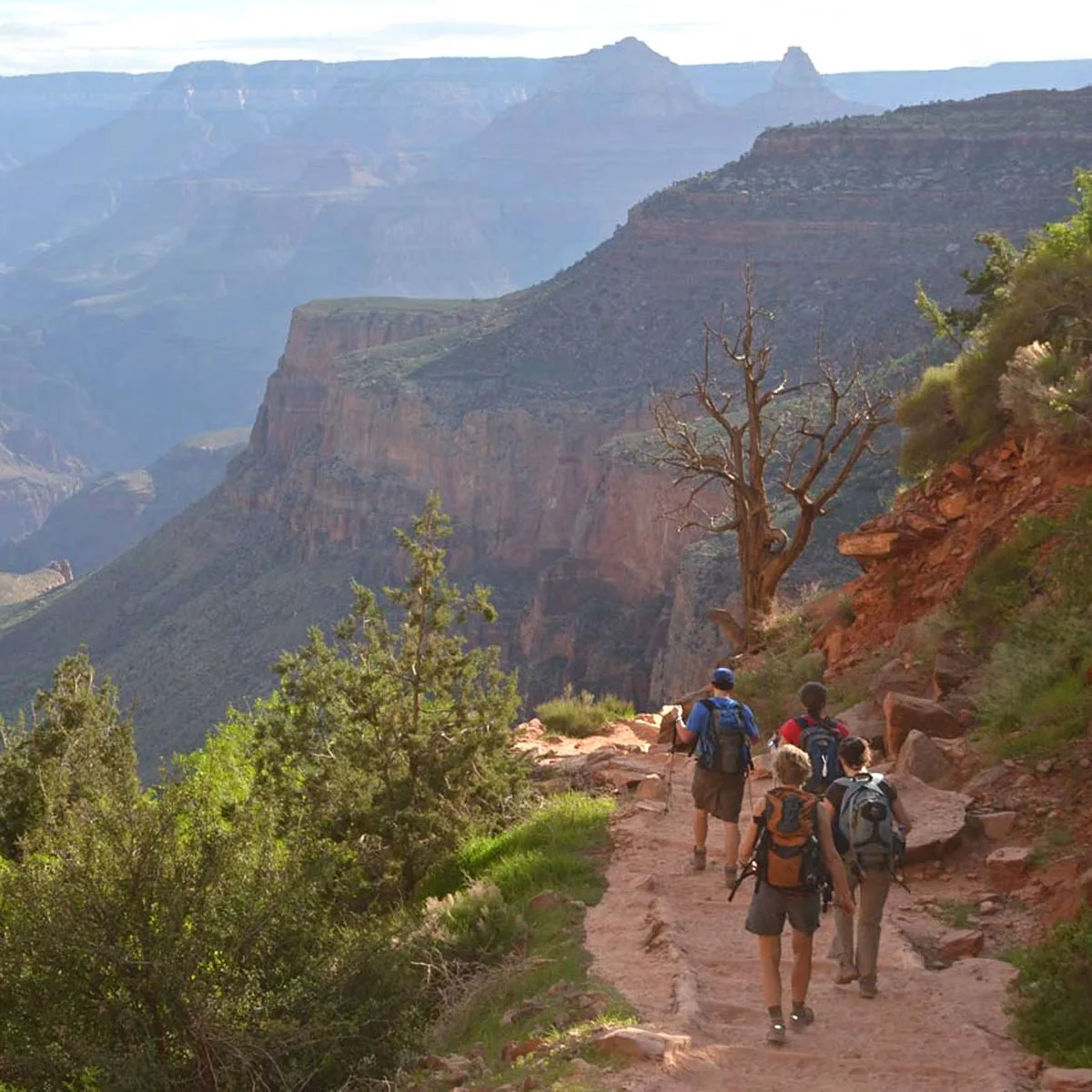
A day pack built for the descent matters more than most first-timers on the Grand Canyon South Rim to river hike expect. A 22-liter hydration pack with at least three liters of reservoir capacity covers the water the South Kaibab Trail does not provide, and electrolyte packets matter as much as the water itself once the heat sets in. Trekking poles save knees on the climb back out, and a wide-brim hat beats a cap once the sun clears the rim. For anyone assembling a full kit from scratch, [INTERNAL LINK PLACEHOLDER — Tools: Best Gear for Hiking Grand Canyon Rim to River] breaks down exactly what is worth buying and what is not.
If You Loved This, Go Underground Next
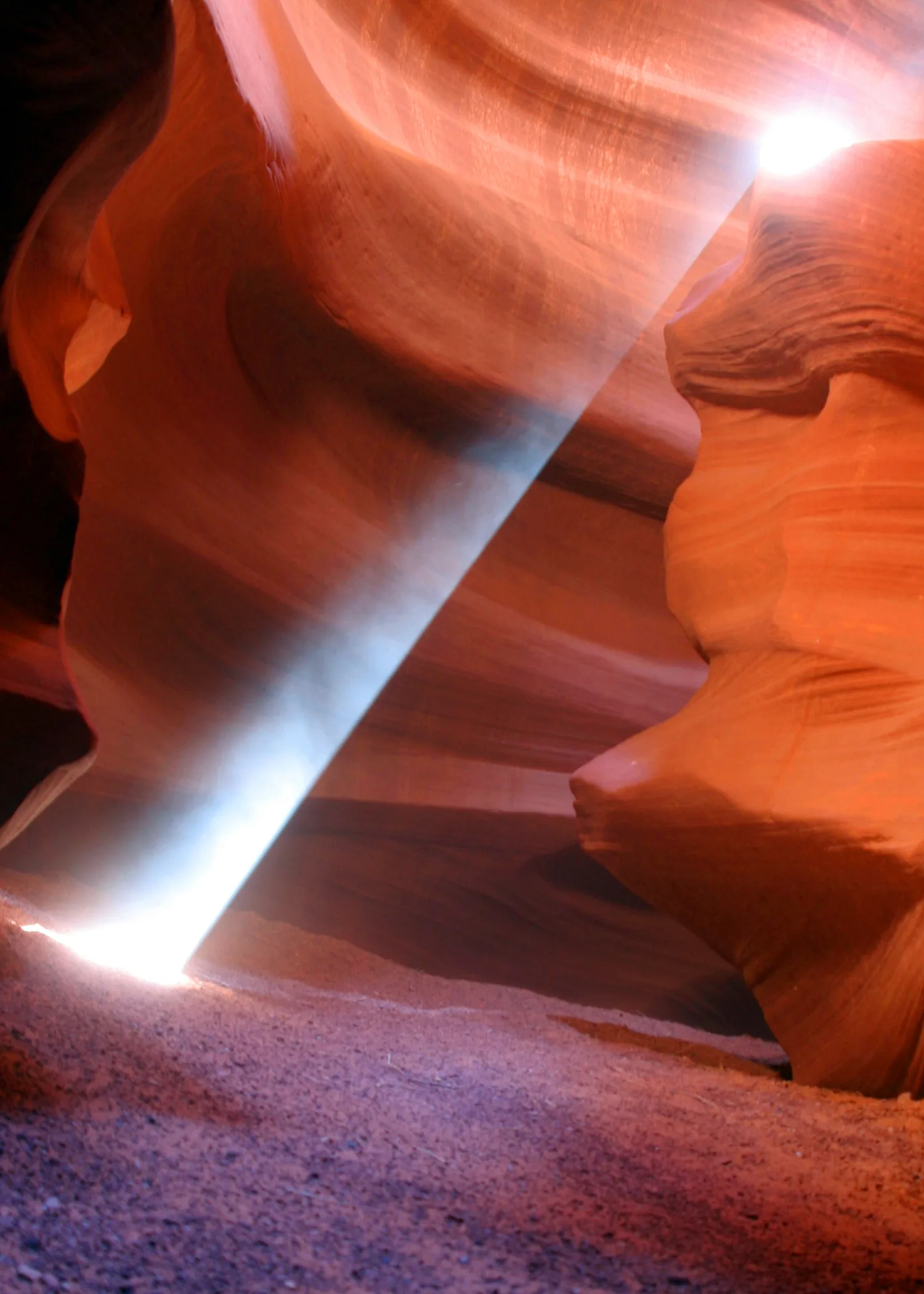
Grand Canyon rewards hikers willing to sweat for the view. Antelope Canyon, three hours north near Page, rewards patience instead, a slot canyon so narrow in places that sunlight only reaches the floor at midday, in beams photographers plan entire trips around. Our guide to Antelope Canyon Arizona covers timing, cost, and why that beam of light is not guaranteed on every tour.
Frequently Asked Questions
Do you need a permit to hike Grand Canyon South Rim to river? No. Permits are only required for overnight backcountry camping. A day hike from the South Rim to the river and back needs only the standard park entrance fee, paid at the gate.
Which trail is better for the descent, South Kaibab or Bright Angel? South Kaibab is shorter and steeper, with better views but no water source. Bright Angel is longer and more gradual, with three seasonal water stations, which is why most hikers descend South Kaibab and climb out via Bright Angel.
How fit do you need to be for this hike? Very fit, and ideally acclimated to heat. The Grand Canyon South Rim to river hike covers about 16 miles and 4,800 feet of elevation change in a single day, and the National Park Service actively discourages attempting it without experience hiking long distances in similar conditions.
This article contains affiliate links. Geonatra may earn a commission on qualifying purchases at no extra cost to you. Read our full affiliate disclosure.
About the Author
Elena Marsh writes Geonatra’s Places and Tools series, chasing landscapes rare enough to stop a scroll. She hiked out of the Grand Canyon on the Bright Angel Trail at dusk, legs finished, watching day hikers who started too late still working their way up in the dark. She works with Geonatra’s geologists to keep every recommendation grounded in what the land is actually doing, and with hikers on the trail to keep the practical advice honest.