
Not every tour operator in Iceland treats the ground the same way. Group size, guide training, and what happens to waste in the field vary more than most travelers realize before they book. The five experiences below are our pick for the best eco tours Iceland has to offer travelers who want the science included, not just the view: carbon-neutral propulsion, audited environmental practices, and guides trained to explain what they are showing you rather than just point at it.
For a fuller look at what separates a genuinely low-impact operator from one that only says so, our guide to Iceland’s Vakinn-certified eco tour operators covers the certification itself. This list goes a step further: five specific, bookable experiences that put those standards into practice, one for each corner of the island worth the detour.
This guide includes affiliate links to GetYourGuide. If you book one of these tours through a link below, Geonatra earns a small commission at no extra cost to you. We only link to tours we would book ourselves. Full details on our affiliate disclosure page.
The Best Eco Tours Iceland Has to Offer in 2026
Húsavík: Whale Watching on a Carbon-Neutral Boat
Húsavík has called itself Iceland’s whale watching capital since long before sustainability became a selling point, and Skjálfandi Bay still delivers humpbacks, minke whales, and white-beaked dolphins with more reliability than almost anywhere else in the North Atlantic.
What sets certain Húsavík operators apart now is the boat itself: a hybrid propulsion system that runs on stored electricity for most of the tour, cutting engine noise to something closer to a whisper and removing the diesel fumes that used to hang over the harbor at departure. Book the carbon-neutral whale watching tour from Húsavík and you get roughly three hours on the water, hot cocoa included, on a boat quiet enough that the whales appear to notice the difference too.
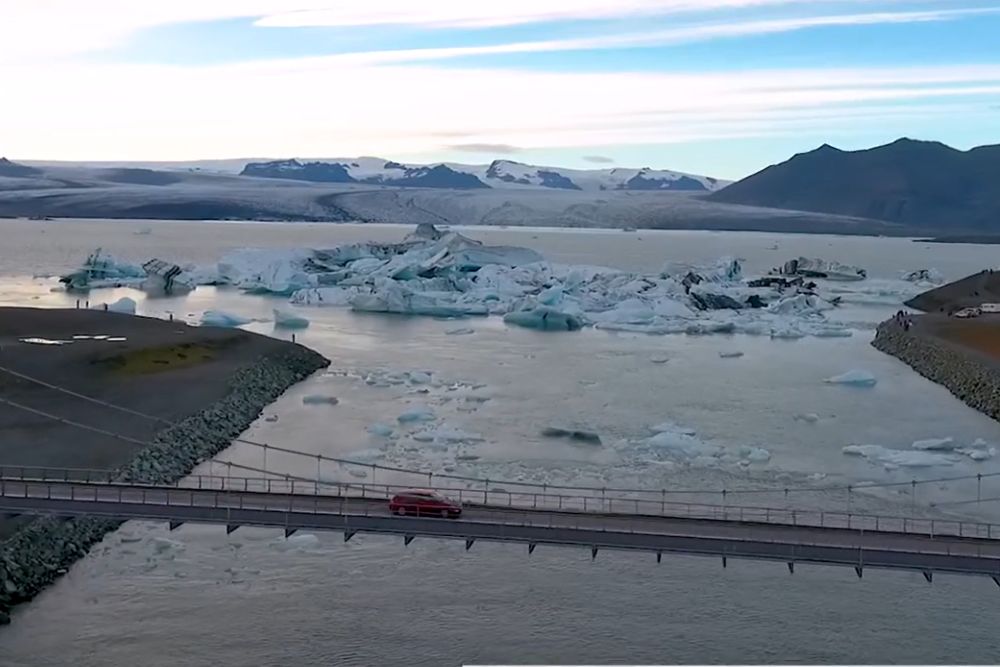
Vatnajökull: Ice Cave and Super Jeep Tour From Jökulsárlón
Vatnajökull covers about eight percent of Iceland’s landmass and sits over at least seven active volcanoes, part of why its blue ice caves shift shape from one season to the next. Reaching them on foot is not an option for most visitors, which is where the super jeeps come in: modified 4x4s built for the moraine and ice-margin terrain a standard rental car cannot touch.
Book the ice cave and super jeep tour from Jökulsárlón for a route that stays on guide-mapped tracks, with small group sizes that limit surface compaction on the glacier itself. For the volcanic system underneath all that ice, our guide to Vatnajökull’s subglacial volcanoes explains what happens when the ice eventually loses that argument.
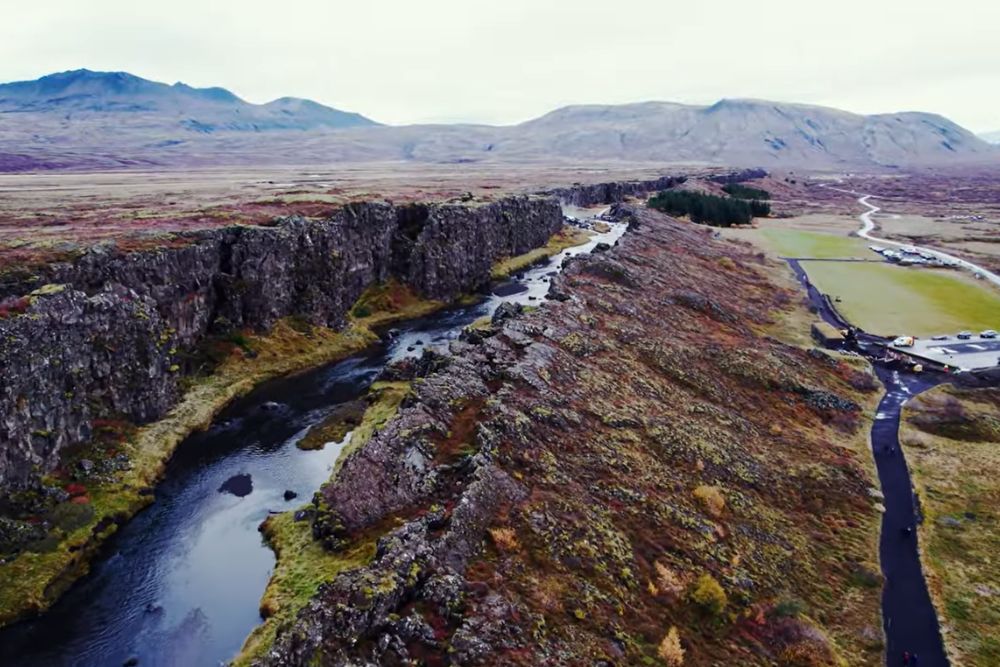
Þingvellir: Snorkeling the Silfra Fissure Between Two Continents
Silfra is a crack in the earth you can float through. The fissure marks the boundary where the North American and Eurasian plates are pulling apart by about two centimeters a year, and the water filling it, glacial meltwater filtered through porous lava for decades, comes out clear enough to see nearly 100 meters in any direction, a number few dive sites on the planet can match.
Book the Silfra snorkeling tour in Þingvellir National Park and a drysuit keeps the cold at a comfortable distance for the roughly 40 minutes most operators spend in the water. The tectonic story behind the rift is worth reading before you go, since it changes what you are looking at while you float.
Hellisheiði: Inside Iceland’s Geothermal Power Plant
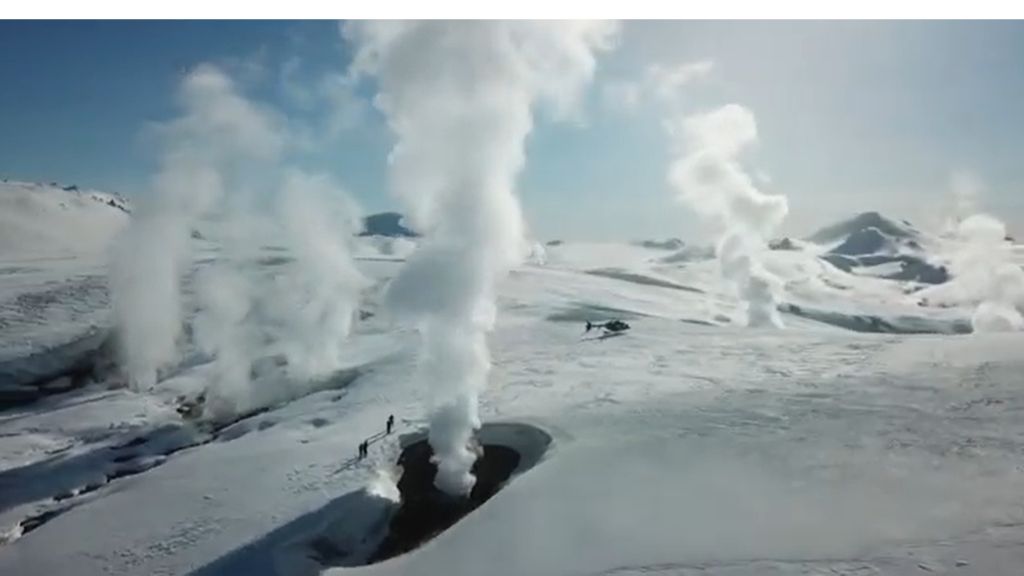
Not every eco tour on this list involves a wetsuit or crampons. Hellisheiði is the largest single-site geothermal power plant on Earth, drawing on the same heat source that powers Iceland’s geysers and hot springs, and its visitor exhibition explains how that heat becomes electricity and hot water for most of the greater Reykjavík area.
The more striking stop is the Carbfix room, where the plant’s carbon capture partnership mixes CO2 with water and pumps it underground, where it mineralizes into solid rock within about two years instead of lingering in the atmosphere for centuries. Book the Hellisheiði geothermal exhibition with audio tour for a self-paced 45-minute visit, easy to combine with a Golden Circle day trip. The science behind Iceland’s geysers covers the same underlying heat engine from the surface, where it erupts instead of getting piped into a turbine hall.
Sólheimajökull: A Glacier Hike With a Climate Lesson Built In
Sólheimajökull retreats fast enough that guides can point to markers from a decade ago and show you, in real distance, how much ice has disappeared since. That is the premise of the sustainable glacier hike option here: the same crampons-and-ice-axe route as a standard tour, but with guides trained to fold the retreat data and the basic mechanics of glacial melt into the walk itself, rather than treating the ice as scenery.
Book the Sólheimajökull glacier hike from Reykjavík, which includes transfer, safety gear, and roughly three hours split between the drive and the ice itself. Small groups and guides who actually answer questions instead of shouting over a crowd are part of why this ranks among the best eco tours Iceland has for travelers who want more than a photo stop.
Frequently Asked Questions
What makes a tour operator count as an eco tour in Iceland?
The clearest signal is Vakinn Environmental Certification, an independent audit covering group size limits, waste management, and guide training in ecological and geological context. Our guide to Vakinn-certified operators explains exactly what the audit checks, useful context when comparing the best eco tours Iceland lists against a company’s own marketing claims.
Do I need to book these eco tours in Iceland far in advance?
Húsavík whale watching and the Silfra snorkeling tour both fill up during the June to August peak season, sometimes two to three weeks out. The Hellisheiði exhibition rarely sells out since it runs on a rolling self-guided schedule, making it the easiest one to book last minute if your itinerary shifts.
Can a beginner do the glacier hikes and ice cave tours on this list?
Yes. Both the Vatnajökull ice cave tour and the Sólheimajökull glacier hike are built for first-timers, with all technical gear, crampons, harnesses, and helmets, provided and fitted on site. The main requirement is reasonable fitness for two to three hours of walking on uneven, cold terrain.
Every operator on this list earns its place the same way: by treating the landscape as something to explain, not just show. That is what separates the best eco tours Iceland can offer from a standard sightseeing tour: guides who make you understand what you paid to see, not just look at it.