
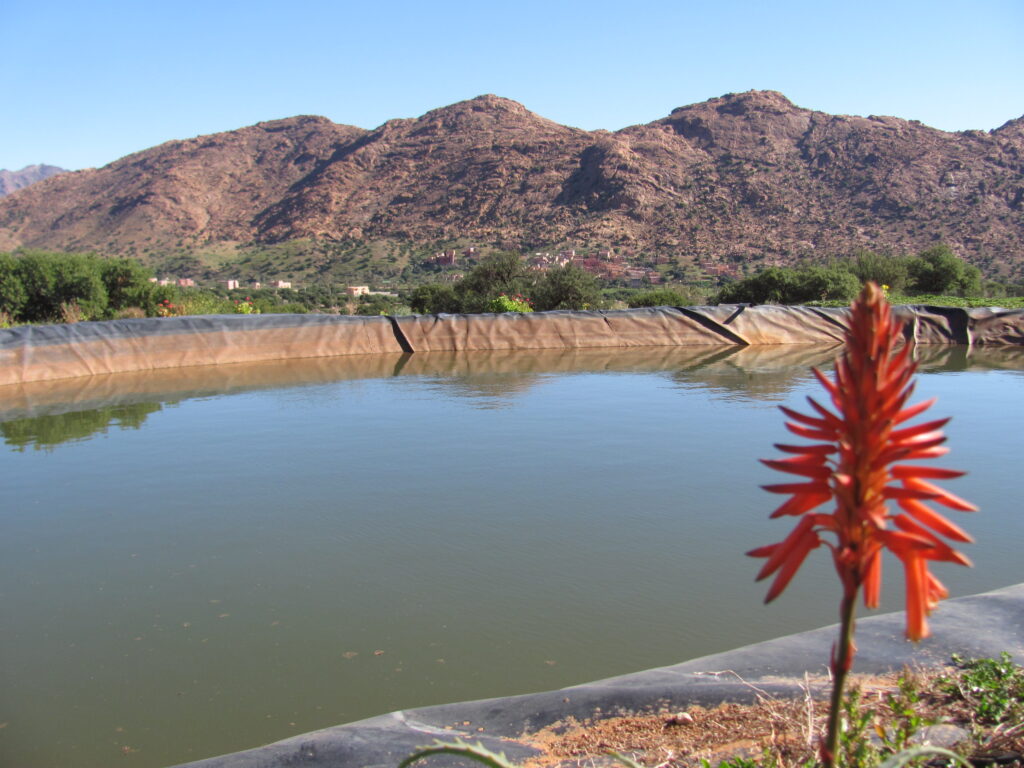
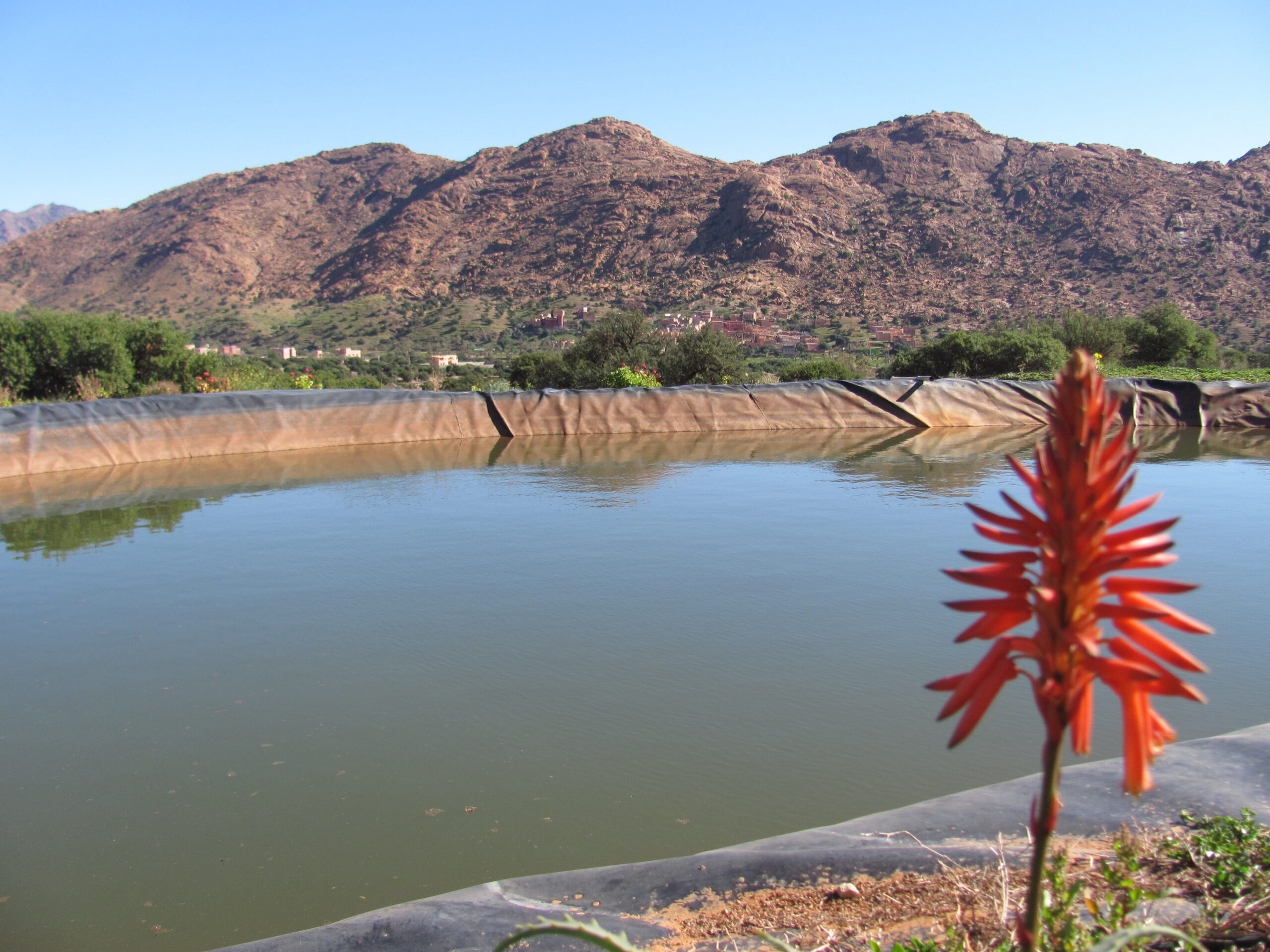
Imiter silver mine Morocco sits high in the Anti-Atlas, and a single valve above it, on the slope of Mount Alebban, controls the water bound for its shafts. In August 2011, a group of farmers climbed the mountain and turned that valve. The water stopped. Behind it is the seventh largest producer of silver on the planet, smelting its own ore into ingots that leave under armed escort for the port of Tangier. The farmers were not protesting the metal itself. They were protesting the twelve times their village’s daily water use that vanished into the mine every day, in a valley where the palm groves depend on every drop the mountain gives.
Imiter Silver Mine Morocco: What to Know Before You Visit
Imiter silver mine Morocco sits in the Anti-Atlas Mountains near Boumalne-Dadès and is the seventh-largest silver producer on Earth, drawing its ore from a 550-million-year-old epithermal deposit. Since 2011, nearby farmers have restricted the mine’s water use in a decade-long standoff over water rights. Guided tours run both underground and on the surface.
A Silver Vein Older Than the Atlas
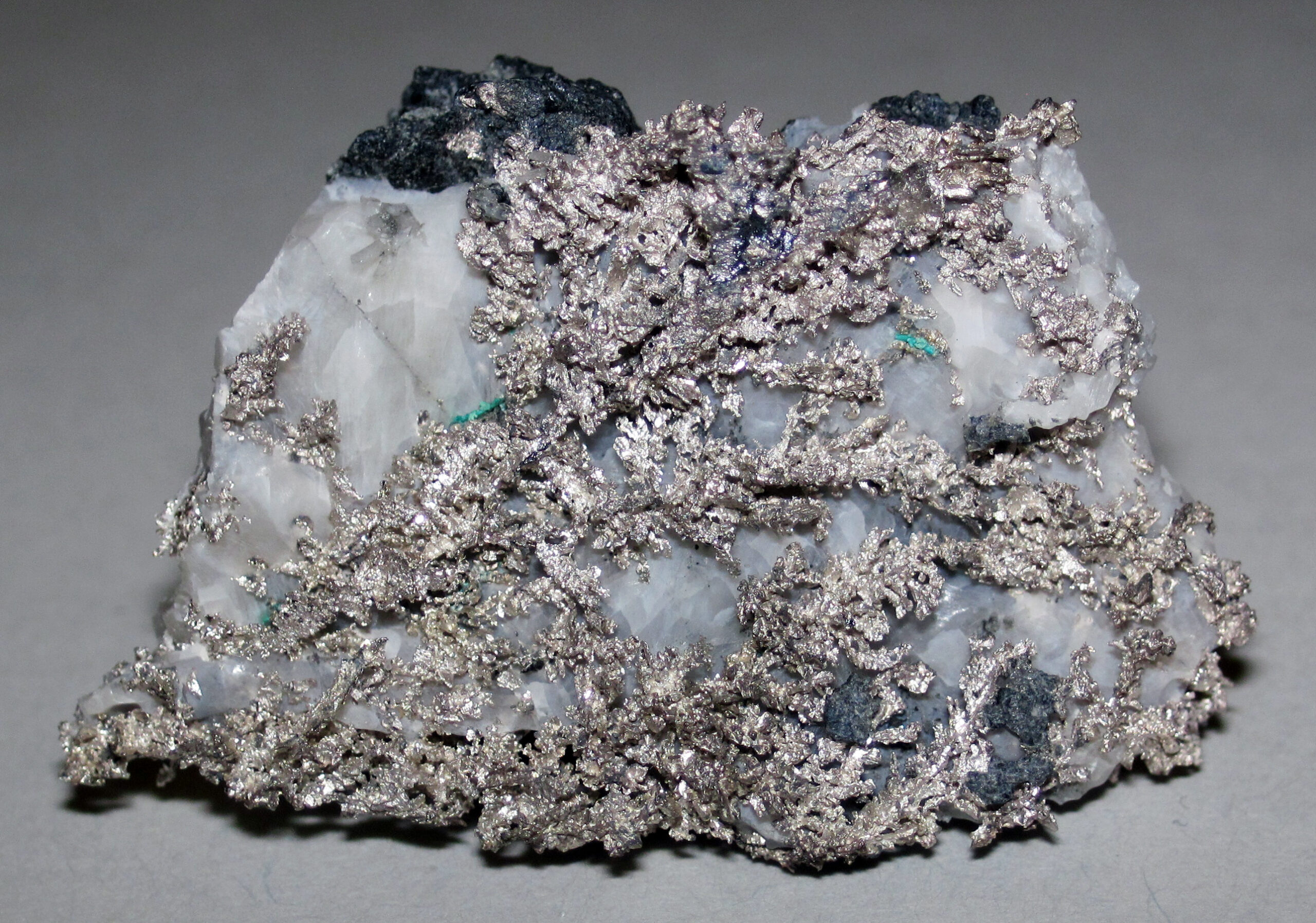
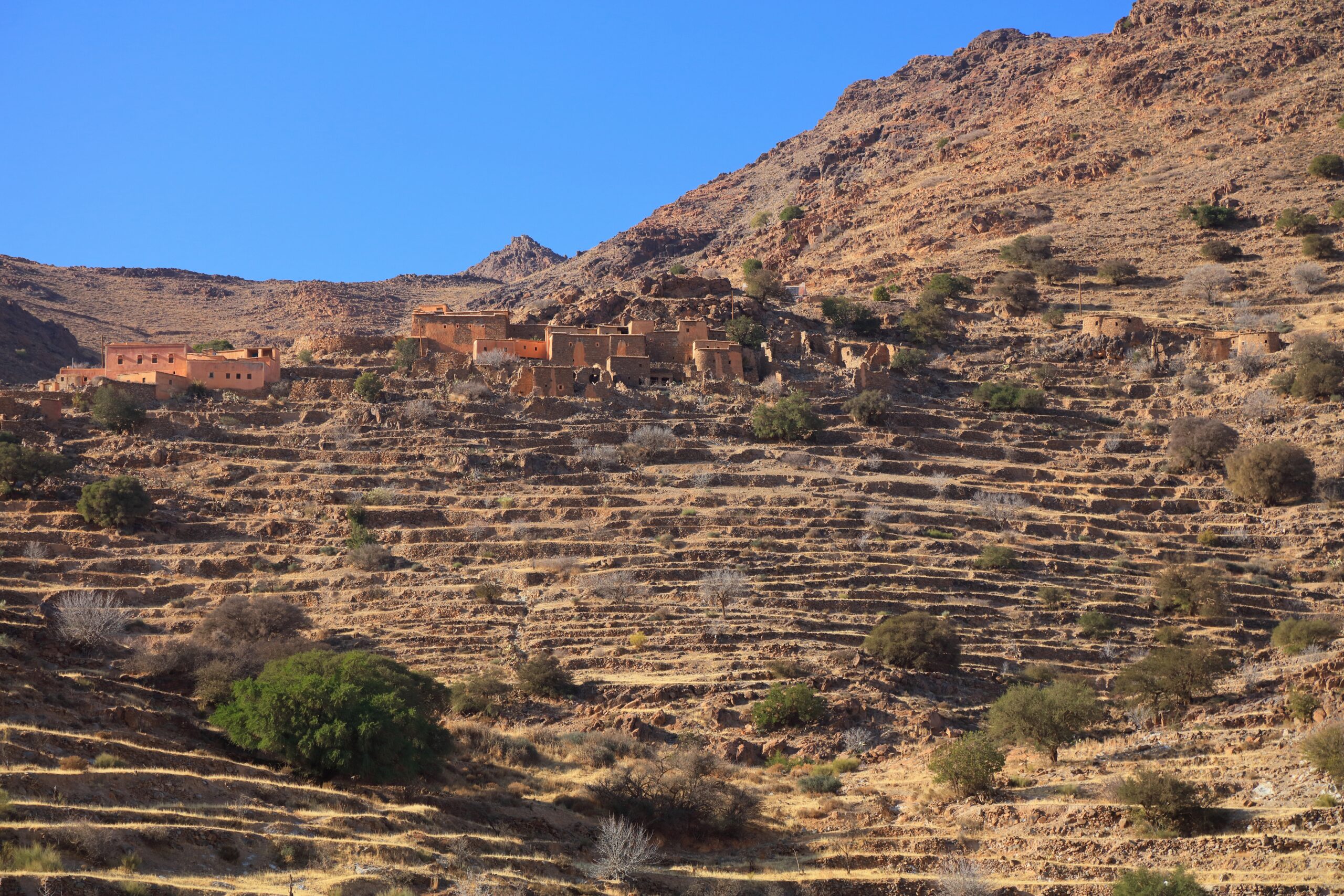
Imiter silver mine Morocco sits along an east-west trending normal fault in the Anti-Atlas Mountains, the same suture that separates older Precambrian basement from younger volcanic-sedimentary cover. Geologists mapping the district describe it as a hydrothermal vein system, silver and associated sulfide minerals precipitated from hot fluids moving along that fault zone rather than crystallizing directly from magma. The mineralization formed during the Pan-African orogeny, the same mountain-building episode responsible for the ophiolite exposed forty kilometers west at Bou Azzer, when this stretch of the Anti-Atlas was being stitched together along the edge of a shrinking ocean. Extension, not compression, opened the pathways the silver traveled through. As the crust pulled apart along the fault, fractures filled with fluid, and over time those fractures concentrated one of the richest silver veins ever found in North Africa. What looks today like a single mountain is really the frozen plumbing of an ancient hydrothermal system, still being extracted more than half a billion years later.
Rhyolite, Zircon and a 550-Million-Year Clock
Dating a hydrothermal vein directly is difficult. Silver deposits like Imiter are instead dated through the volcanic rock associated with the same mineralizing event, in this case a rhyolitic eruption that geologists have pinned to 550 plus or minus 3 million years ago using ion-probe uranium-lead dating on zircon crystals. Zircon is almost indestructible and records the moment it crystallized with unusual precision, which makes it one of the few reliable clocks available in rock this old and this deformed. That single number places Imiter squarely in the late Neoproterozoic, a period when the supercontinent Gondwana was still assembling itself and this part of Morocco sat at the edge of active rifting and volcanic activity. The rhyolite is not incidental scenery. It is evidence that the same heat and fluid movement building silver-bearing veins was also erupting felsic magma at the surface, two expressions of the same restless crust. Researchers studying the deposit have classified it as an epithermal system, formed at shallow depth and relatively low temperature compared to deeper magmatic ore bodies, which explains why the veins are so rich and so close to the surface that mining has been possible here for centuries before modern methods arrived.
When the Village Closed the Valve
On August 20, 2011, a group of residents from the village of Imider climbed Mount Alebban and shut a valve on the pipeline supplying water to the mine. The pipe, they said, was drawing roughly twelve times the daily water consumption of their five-thousand-person village, groundwater the community depended on for its palm groves and terraced fields. The movement that formed that day, known locally as Amussu xf Ubrid n 96, held the mountain for eight years, one of the longest sustained protest camps in recent Moroccan history, before dismantling it in 2019. Researchers studying the Imiter deposit, writing in Mineralium Deposita, note that the same fault system responsible for concentrating silver over hundreds of millions of years also concentrates groundwater in an otherwise arid landscape, which is part of why the conflict over that water ran so deep. The protest was never about opposing mining as an industry. It was about a finite resource, drawn from ancient rock, being claimed twice over by two very different timescales of use.
What Imiter Teaches About the Anti-Atlas
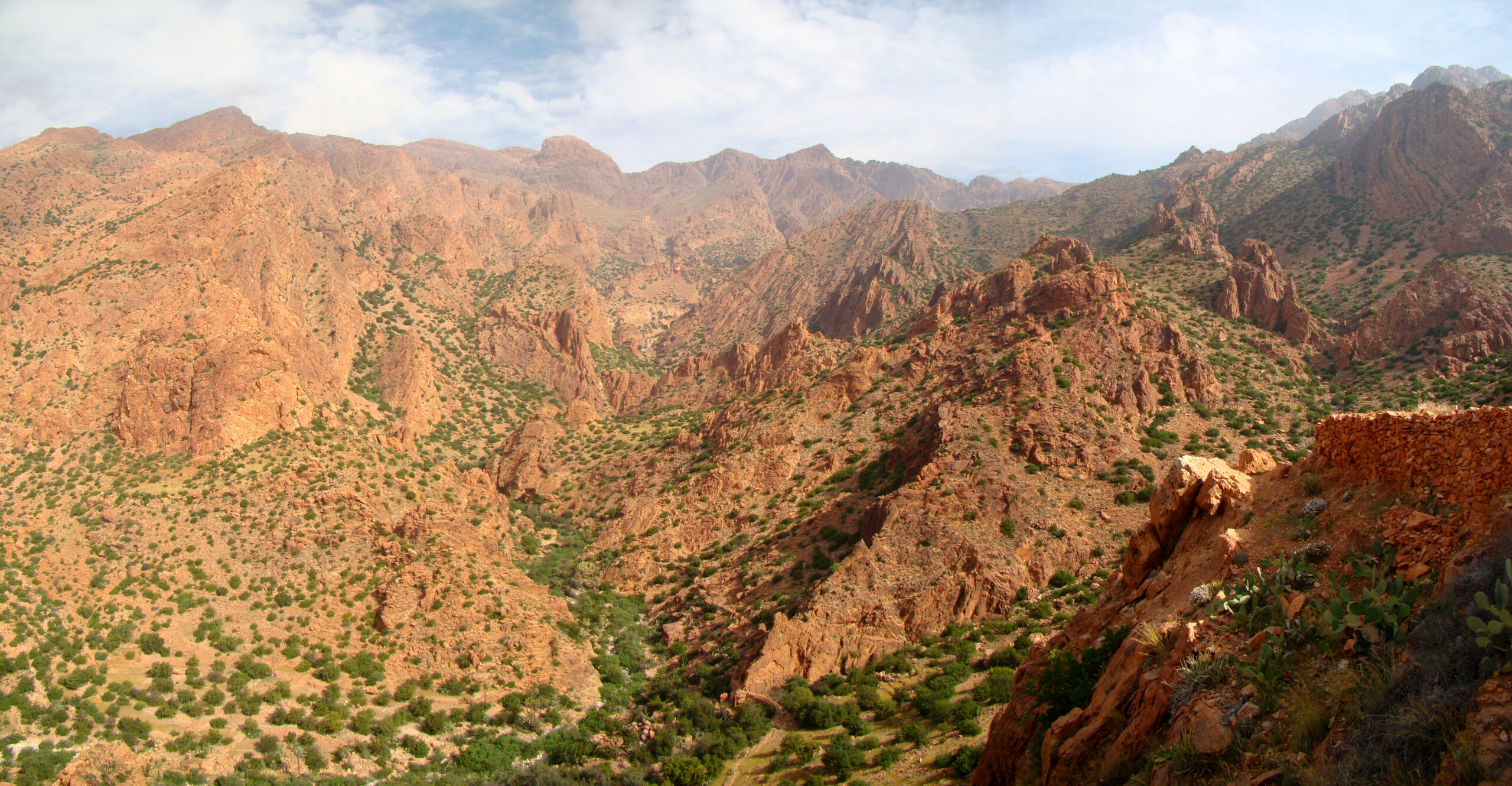
Imiter is not an isolated story. It sits within the same Pan-African geological province that also produced the ophiolite at Bou Azzer and the twin-phase volcano at Jbel Siroua, three sites separated by a few hours’ drive and hundreds of millions of years of shared tectonic history. Reading them together turns the Anti-Atlas from scenery into a timeline: an ocean closing, a supercontinent assembling, and periodic pulses of heat and fluid moving along the same ancient faults, sometimes building mountains, sometimes concentrating metal, sometimes both. For the fuller sequence connecting these sites, our Anti-Atlas geology overview lays out how the pieces fit together across three billion years of rock. What makes Imiter distinct within that story is how visibly its geology and its human history share the same fault. The valve the farmers turned in 2011 sat on the exact structure that had been concentrating silver, and water, since the Neoproterozoic. Few places make that connection between deep time and daily life so literal.
Frequently Asked Questions
Can you visit the Imiter silver mine?
Yes, the mine has offered both underground and above-ground tours in the past, typically arranged through local guides based near Boumalne-Dadès. Availability changes, so it’s worth confirming locally before planning a visit around it.
Is the area safe to visit today?
The eight-year protest camp on Mount Alebban was dismantled in 2019, and the immediate area functions as a working mining district rather than an active conflict zone. As with any industrial site, staying on marked paths and going with a local guide is the sensible approach.
How does Imiter compare to other Anti-Atlas mining sites?
Imiter silver mine Morocco shares its Pan-African origin with Bou Azzer’s ophiolite and Jbel Siroua’s twin-phase volcano, though it is unique for how directly its mineral wealth and its water conflict trace back to the same geological fault.
About the Author
Daniel Harper writes for Geonatra from the field, reading landscapes the way others read libraries. Imiter silver mine Morocco gave him notes taken beside the same fault line that carries both silver and groundwater through the Anti-Atlas, standing where a valve once closed in 2011, with one quiet question in mind: how deep time and daily life can share a single crack in the rock.