
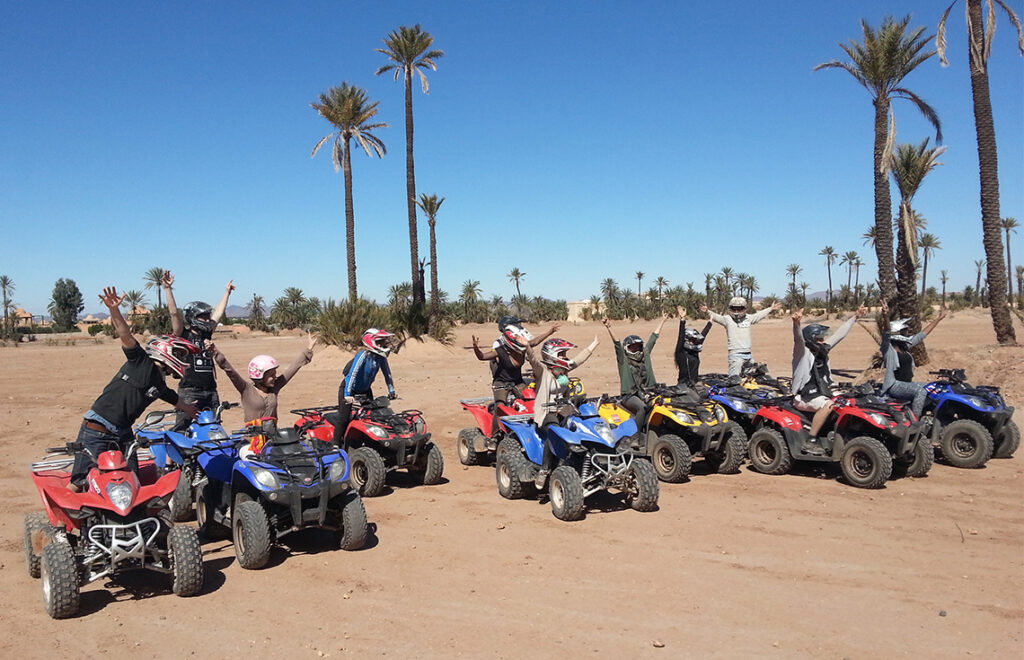
The quad kicks dust into a bright, hard light, and for a moment the guide cuts the engine so the group can hear nothing but wind moving over rock. Forty minutes ago this was the traffic of Marrakech, the calls from the souks, the smell of diesel and mint tea. Now there is only a low range of bare hills, folded and broken, running toward the Atlas in the distance. Most visitors on this Marrakech desert excursion come for the ride, the photo, the plate of tagine waiting back at camp. Few realize they are crossing the closed seam of an ocean, a place where two pieces of the Earth’s crust pressed together three hundred million years ago and never let go.
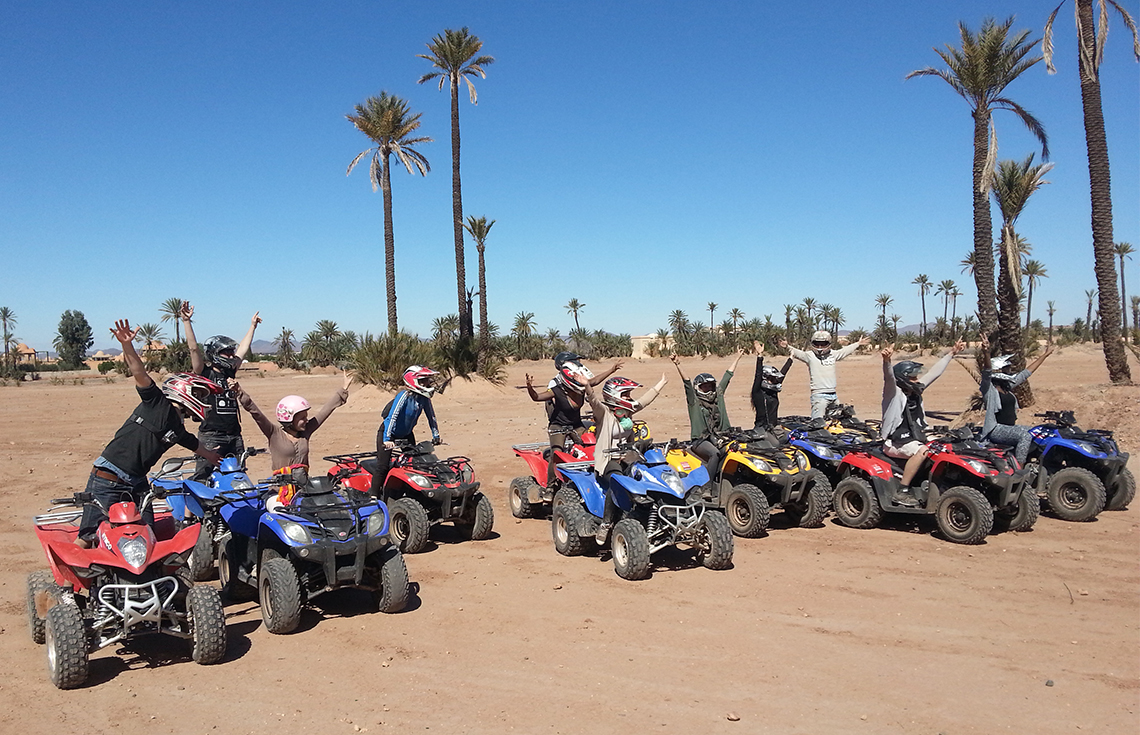
What Is the Marrakech Desert Excursion to the Jbilet Hills?
The Marrakech desert excursion to the Jbilet Hills covers a range of bare, eroded hills about twenty eight kilometers southeast of the city, roughly forty minutes by road. Visitors come for quad rides, buggy tours, camel treks and hot air balloon flights, crossing a landscape built by the Hercynian mountain collision of the late Paleozoic.
The Ocean That Closed to Build These Hills
A Marrakech desert excursion usually clusters around one of two very different landscapes. Agafay, closer to the city and heavily marketed, draws most of the buggy and camel operators, along with sunset dinner shows and glamping camps. Jbilet lies further east, past the ring road, in a quieter stretch of hills between Marrakech and the town of Skhour Rehamna. The terrain looks similar from a quad seat, dry, rocky, cut by shallow wadis, but the rock underneath tells a different story.
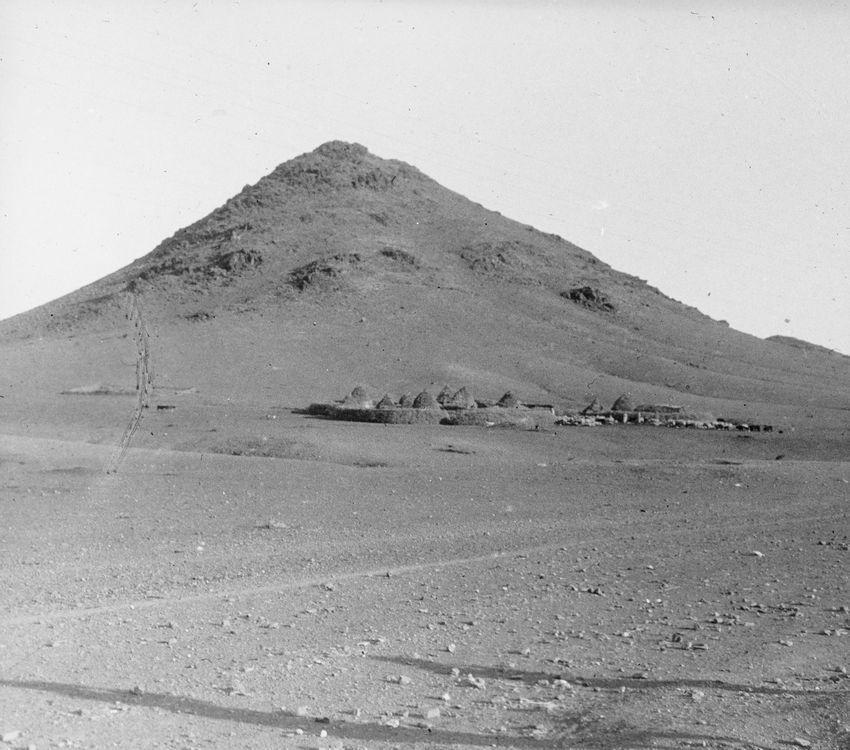
The rocks under the Jbilet Hills began as ocean floor mud and volcanic ash, laid down during the Visean stage of the Carboniferous, roughly three hundred and forty million years ago. Geologists call this layer the Sarhlef Formation, and it once sat flat on the seabed of an ocean separating two ancient landmasses. As that ocean closed, the crust folded, buckled and thickened into a mountain belt, part of the same collision that built the Appalachians in North America and the Variscan ranges of Europe. Geologists divide the result into three blocks, the Western, Central and Eastern Jebilet, each showing a different depth of folding and heat. The Central Jebilet took the hardest squeeze, its rocks metamorphosed and threaded with mineral veins that later drew miners to the surface. Unlike the far older basement exposed in Morocco’s West African Craton, three billion years old and predating complex life entirely, these hills are comparatively young, built after fish had already colonized rivers and forests were spreading across the continents.
The Ore Beneath the Excursion Route
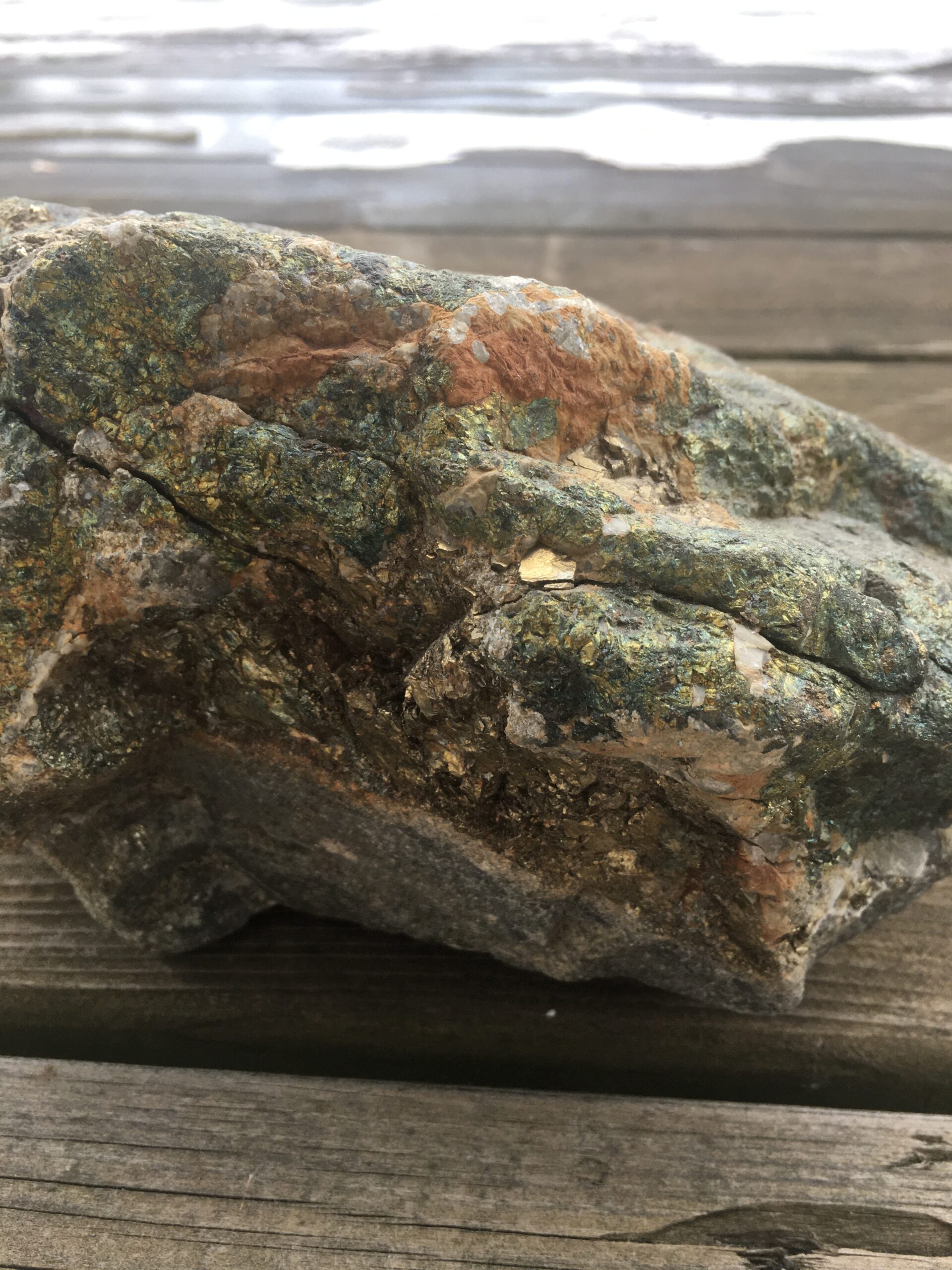
The same folding that built the Jbilet Hills also concentrated metal. Volcanic activity along the ancient seafloor deposited zinc, lead, copper and iron in dense, banded layers, later squeezed and altered by the mountain-building itself. Miners have worked this ground for close to a century. The Kettara deposit, discovered early in the twentieth century, was mined for ochre and limonite from 1938 to 1963. Production later shifted to Draa Sfar, which has supplied polymetallic ore since 2004 under Managem, the Moroccan mining group that also runs operations further south in the Anti-Atlas. According to Morocco’s national mining authority, ONHYM, the Jebilet and neighboring Guemassa district remain among the country’s most active sources of massive sulfide deposits. The mining brings real income to towns near the hills, but it also leaves scars, tailings that alter soil chemistry and a landscape reshaped as much by drills as by tectonics. A similar tension between livelihood and land runs through the copper mines of Bleïda and Bou Skour, further south in the Anti-Atlas. It is a piece of the story easy to miss on a quick Marrakech desert excursion, when the ore itself never enters view.
Planning Your Marrakech Desert Excursion
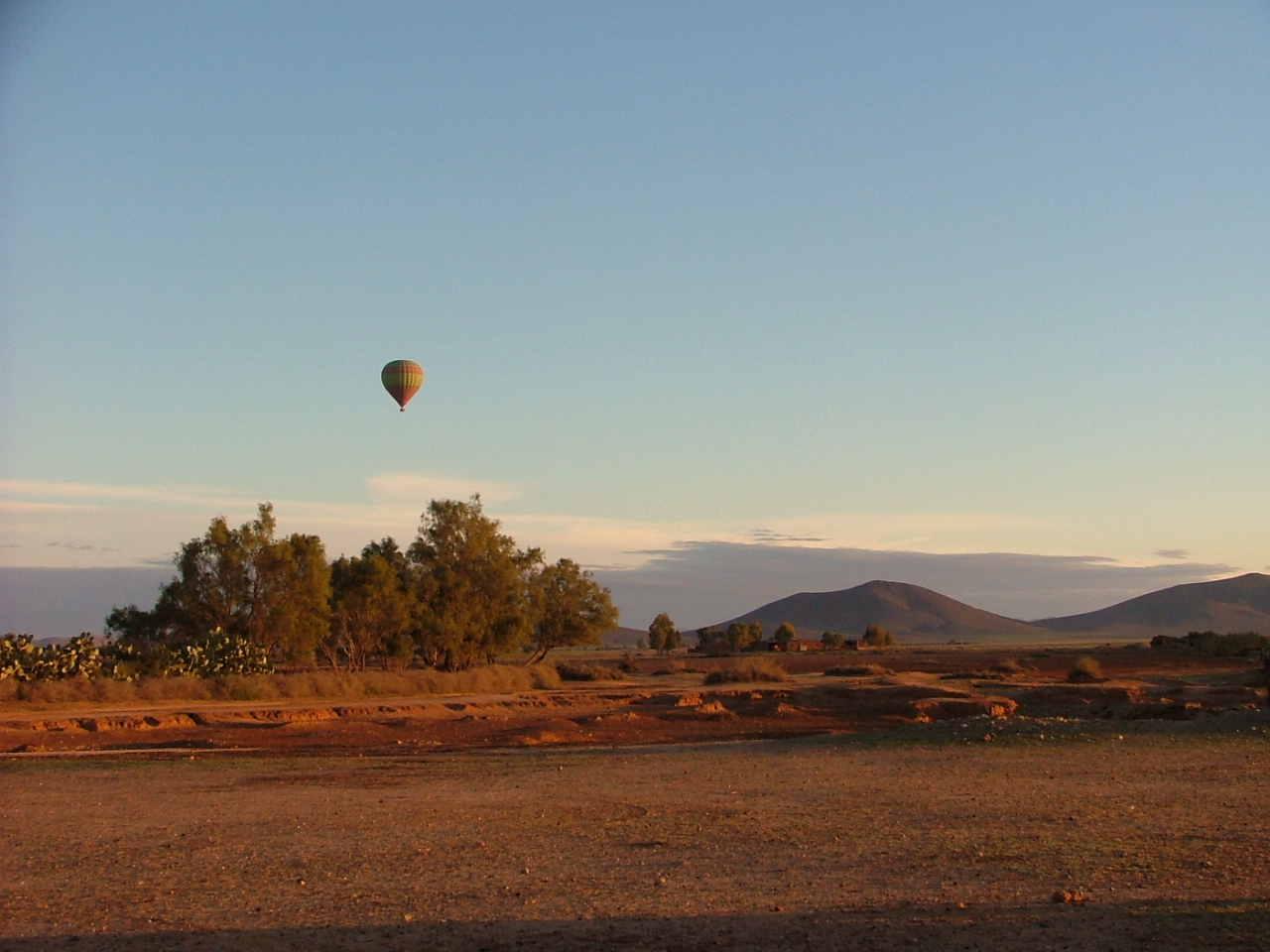
Most visitors book this Marrakech desert excursion through a Marrakech-based operator rather than arriving independently, since the hills are unmarked and the best trails are not always obvious from the road. Quad and buggy tours typically run two to three hours, departing the city with pickup included, and cost less than similar trips into the more crowded Agafay desert. Camel rides and hot air balloon flights operate from launch points nearby, usually timed around sunrise, when the light crosses the ridges at a low angle and the temperature is easiest to manage. Hikers who prefer to walk rather than ride can arrange a half day or full day route through local guides, following paths between the Western and Central Jebilet blocks. The best season runs from October through April, avoiding the harshest summer heat. For a longer view of how this Variscan mountain belt fits into Morocco’s wider geological story, see Morocco Geology: The Mountains That Died to Build Rabat and Casablanca. The Atlas Mountains hub traces three billion years of the country’s tectonic history in one continuous walk, from the same craton mentioned earlier to the young, still-rising peaks above Marrakech.
Frequently Asked Questions
Is the Marrakech desert excursion to Jbilet different from the Agafay desert? Yes. Agafay sits closer to the city on younger limestone plateaus and draws most of the organized camps and dinner shows. Jbilet lies further east on older, folded Hercynian rock, with fewer operators and quieter trails, though the two areas are often marketed together as desert day trips.
Do I need a tour operator, or can I visit the Jbilet Hills independently? Most visitors go through a Marrakech-based operator, since trailheads are unmarked and public transport does not reach the area. A private taxi with a pre-arranged return is possible for hikers who prefer to walk without a guided group.
How does the mining history at Jbilet connect to Morocco’s other mining regions? The same continental collision that built Jbilet also produced metal-rich rock across the Meseta and neighboring zones, but the ore itself differs from the copper and cobalt deposits further south in the Anti-Atlas, which formed from an older and entirely separate ocean closure hundreds of millions of years earlier. Anyone combining a Marrakech desert excursion with a longer Morocco itinerary will notice that difference in the rock itself.
About the Author
Daniel has ridden the quad trails of the Jbilet Hills more than once, usually at first light when the operators are still loading water and the ridges hold their shadows longest. He returns to these hills for the quiet, and for the reminder that even a short desert excursion outside Marrakech can cross three hundred million years of buried mountain.