
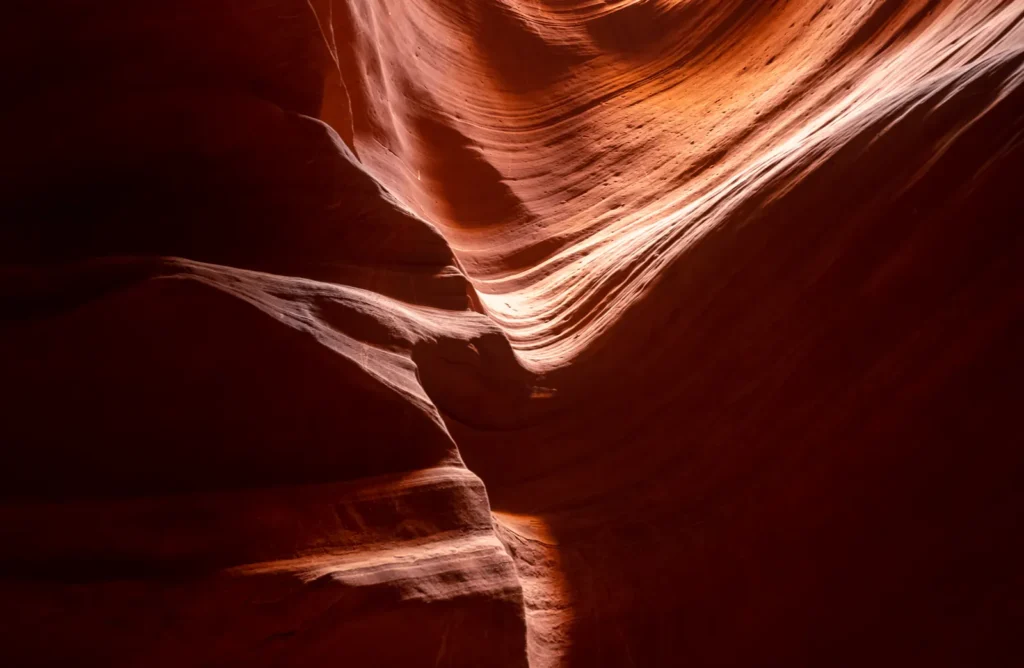
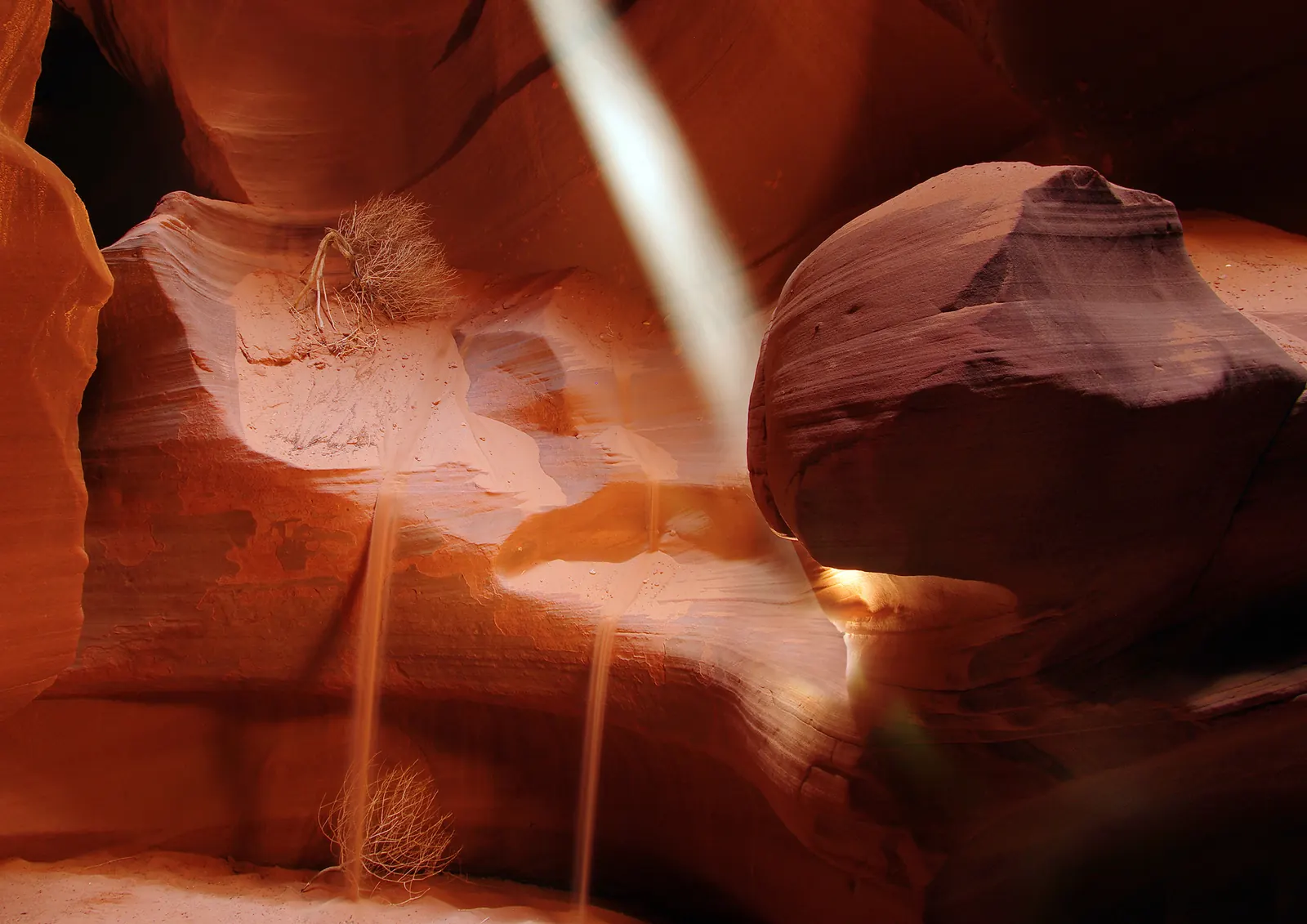
Antelope Canyon does not look like it belongs to this planet, and that is exactly the point. Wind and centuries of flash flooding carved these narrow walls of Navajo sandstone into shapes that curve, twist, and shift color from orange to pink to violet depending on where the sun happens to be standing. Photographs of the famous light beam, that single shaft of sunlight cutting through the dark, have made Antelope Canyon, Arizona, one of the most searched natural landmarks in the American Southwest. What most of those photographs leave out is the logistics. The canyon sits on Navajo Nation land, access is tour-only, the beam only appears under specific conditions, and knowing the difference between Upper and Lower Antelope Canyon before booking can save both your trip and your budget.
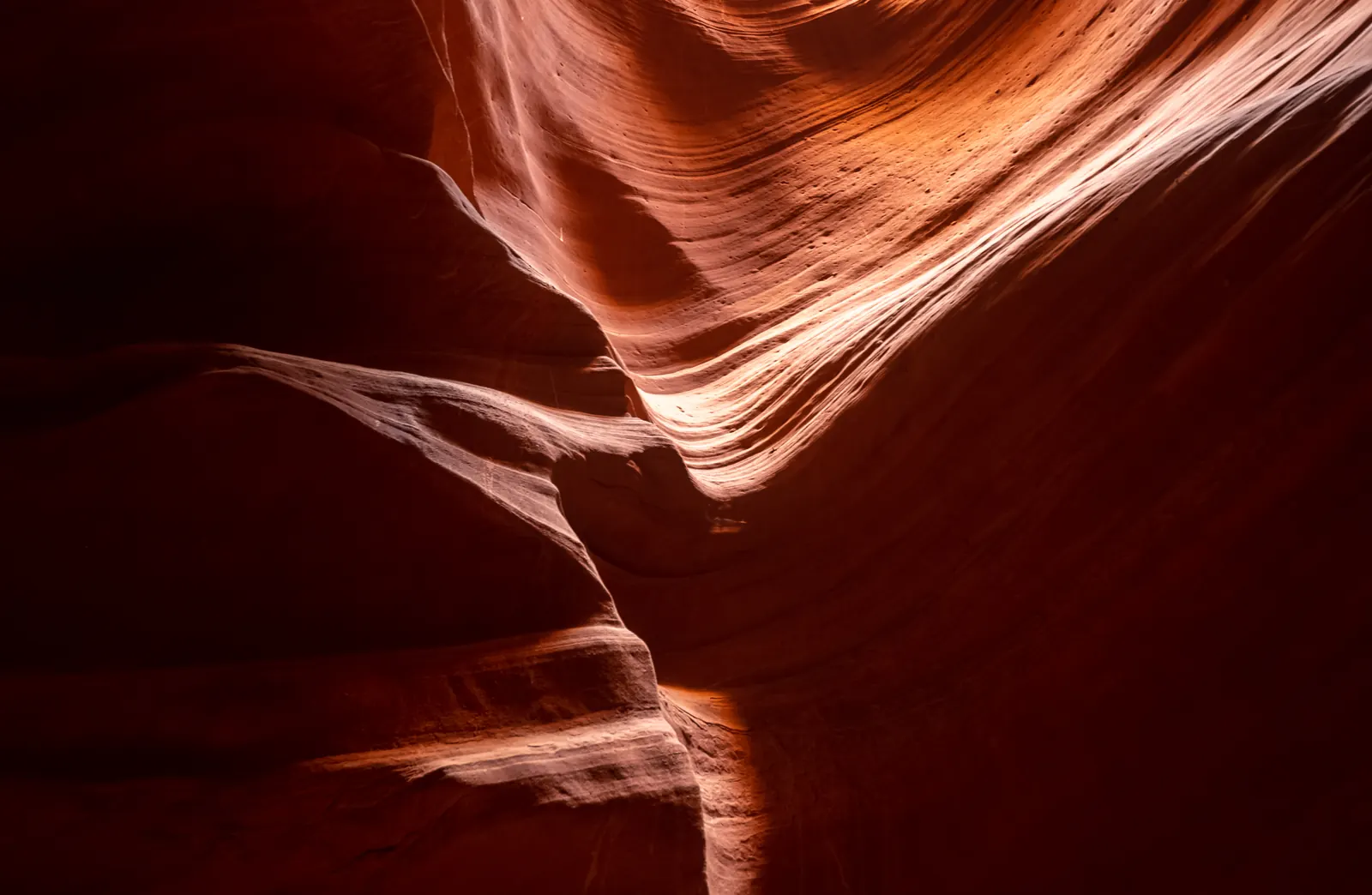
Antelope Canyon, Arizona: The Short Answer
The best time to visit Antelope Canyon, Arizona, is between March and October, close to midday, when the sun sits high enough to reach down into the slot canyon. A standard guided tour runs roughly $60 to $100 per person, and a longer photography tour costs more. The vertical light beam that makes the canyon famous only appears reliably from late May through early July, and only for a narrow window around midday.
Why Antelope Canyon Looks Like Poured Stone
The canyon is cut into Navajo sandstone, a rock formed from ancient sand dunes that hardened over millions of years. What shaped it into today’s smooth, flowing walls was not a slow trickle of water but sudden, violent flash floods. Rainfall from storms many miles away funnels into the narrow crack, and each flood scours a little more sandstone away, rounding corners and polishing the walls in the process. The result looks sculpted on purpose, but it is closer to a rock recording every flood that has passed through it. That same flash flood risk is why tours can be cancelled without notice during monsoon season, which runs from July through September. Deserts on the other side of the planet keep similar records: Geonatra’s guide to Jbel Bani’s buried ridge in Morocco covers how a very different desert landscape ended up telling its own ice age story in stone.
Upper Canyon Or Lower Canyon: What Actually Changes
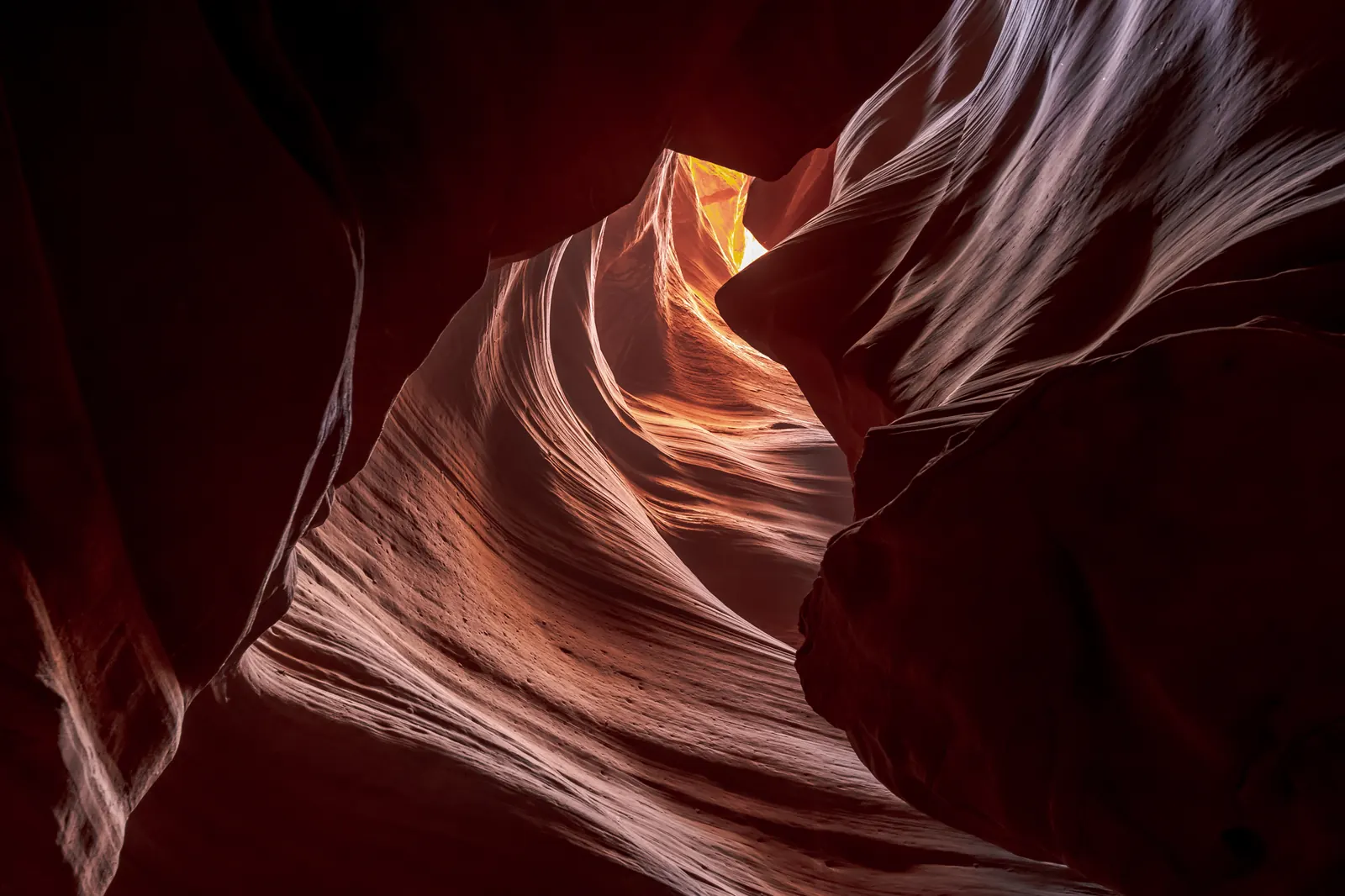
Upper Antelope Canyon is the one in almost every postcard: a wide, walk-in passage where light beams are easiest to catch and no ladders are required. It is also the more crowded and more expensive option. Lower Antelope Canyon is narrower, involves several sets of metal stairs and ladders, and produces fewer light-beam shots, but the corkscrew rock formations are, if anything, more dramatic, and tours are usually cheaper with smaller groups. Visitors with mobility concerns or a fear of tight stairwells generally do better in the Upper Canyon. Photographers chasing texture over beams often prefer the Lower Canyon instead.
Booking A Tour Without Overpaying For It
Every tour into Antelope Canyon, Arizona, is run by a Navajo-owned operator, and prices vary more by season and time slot than by which company you book through. Standard tours move in groups and last about an hour; photography tours run longer, allow tripods, and cost noticeably more per person. Booking two to three months ahead is worth it for summer weekends, when popular midday light-beam slots sell out first.
Two good starting points: the Upper Antelope Canyon entry ticket and guided tour for the classic light-beam postcard shot, or the Lower Antelope Canyon entry and Navajo guided tour if the corkscrew rock formations and smaller crowds matter more than the beam.
Practical Tips For Timing The Light Beam
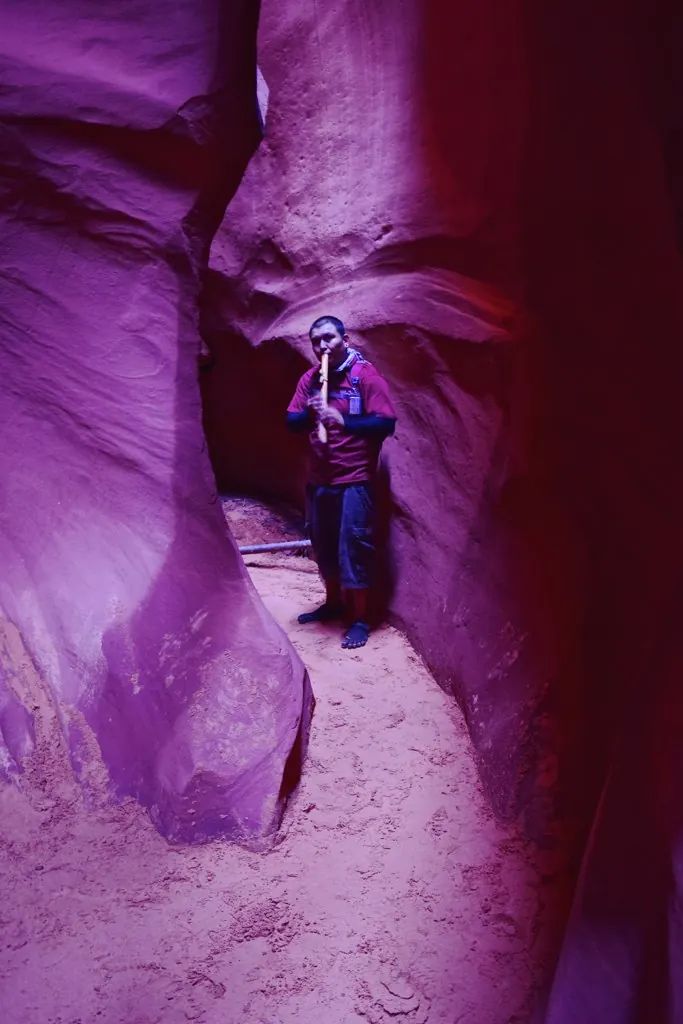
The light beam is most visible between late May and early July, close to solar noon, and only on clear days. Even in that window, a midday slot is not a guarantee, since cloud cover or a tour running a few minutes late can mean missing it entirely. Dust in the air actually helps the beam show up more clearly in photos, which is why some guides quietly kick sand into the light before a group’s turn. A phone camera can catch the beam, but getting a sharp, well-exposed shot in a canyon this dark takes different gear than most people bring on a first visit.
Geonatra has a dedicated guide to the camera gear that actually survives Antelope Canyon, including which lens matters most and what the standard tour rules mean for your setup.
Frequently Asked Questions
Can I visit Antelope Canyon without a tour? No. Both Upper and Lower Antelope Canyon sit on Navajo Nation land, and access is only permitted through a licensed Navajo guide. Independent hiking into the canyon is not allowed.
How long does a tour actually last? Standard tours run about an hour from entry to exit. Photography tours typically run one and a half to two hours and allow tripods, which standard tours do not.
Which canyon is better for photography, Upper or Lower? Upper Canyon is easier for catching the light beam and requires no climbing. Lower Canyon has more dramatic rock texture and fewer crowds, but involves ladders and narrower passages.
About the Author
Elena Marsh writes Geonatra’s Places and Tools series, chasing landscapes rare enough to stop a scroll. Her notebooks fill up in national park parking lots at dawn, waiting for permits, comparing gear with strangers, and figuring out which trail actually earns its reputation. She works with Geonatra’s geologists to keep every recommendation grounded in what the land is actually doing.