
A Japan Rail Pass is the fastest way to cross a country that sits on four tectonic plates, its rail network built almost by accident to trace the fault lines and volcanic arcs between them. Riding the Shinkansen from Tokyo toward Kyoto, you are crossing the same subduction zone that built Mount Fuji. Riding it further south, you are following the volcanic spine that runs through Hakone, Kyushu, and the Ring of Fire itself. A rail pass is not just a transit convenience here, it is the fastest way to read the country’s geology at two hundred kilometers an hour. Here are five passes worth comparing for 2026, and what each one actually gets you close to.
This guide includes affiliate links to GetYourGuide. If you book a pass through one of them, Geonatra earns a small commission at no extra cost to you. We only link to passes we would use ourselves. Full details on our affiliate disclosure page.
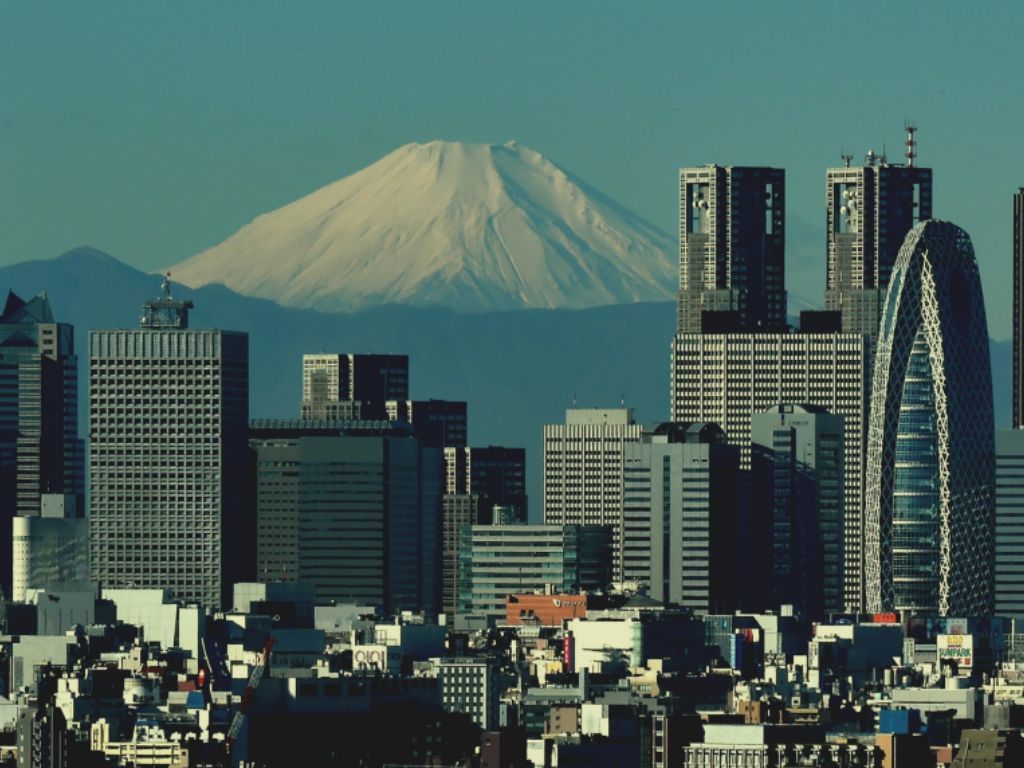
The National JR Pass: The One Most Travelers Need
The national Japan Rail Pass, sold in 7, 14, or 21 day durations, covers nearly every JR Shinkansen, limited express, and local train across Honshu, Kyushu, Shikoku, and Hokkaido. For a geology focused trip, this is the pass that makes a real Ring of Fire itinerary possible in one loop: Tokyo to Hakone, a detour to see Mount Fuji’s geological stops up close, then south toward Kyushu’s active volcanoes. The pass pays for itself quickly on this route alone, since a single round trip Tokyo to Kyushu on the Shinkansen already costs close to the price of the 7 day pass.
Kansai Pass: For a Shorter Kyoto and Osaka Loop
If your trip stays within the Kyoto, Osaka, and Nara triangle, the Kansai Area Rail Pass is the cheaper, more focused option. It will not get you to Mount Fuji or Kyushu, but it covers the regional JR lines and airport transfers within one of Japan’s most geologically layered regions, built on a basin surrounded by the same Pan-Pacific volcanic activity that shapes the rest of the country. Good for a first trip that prioritizes cities over volcanoes.
Kansai and Hiroshima Pass: Adding the Inland Sea
The Kansai and Hiroshima Area Pass extends the same coverage west along the Sanyo Shinkansen line, opening up a detour most rail pass guides skip entirely: Naoshima, the granite island in the Seto Inland Sea where contemporary art sits directly on 90 million year old bedrock. It is a short ferry hop from the JR line at Okayama, and one of the more unusual stops on this list precisely because most travelers on this route are headed straight to Hiroshima and never look sideways at the geology under their feet.
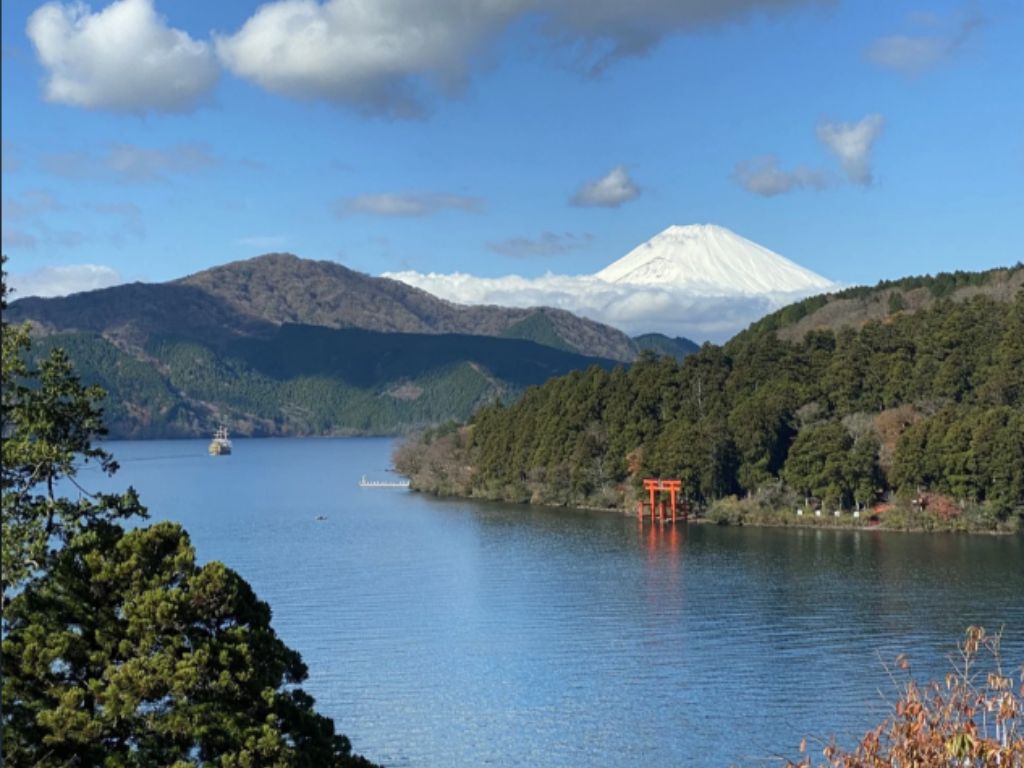
JR West Kansai and Hokuriku Pass: Reaching the Japanese Alps
This is the pass to pick if the Japanese Alps are the actual destination rather than a detour. The Kansai and Hokuriku Area Pass reaches north via the Hokuriku Shinkansen into terrain built by an entirely different process than the volcanic arc further east, a slow continental collision that pushed granite peaks skyward instead of building cones from erupted lava. The tectonic story of the Japanese Alps is one of the more overlooked chapters in Japan’s geology, mostly because the volcanoes get all the attention.
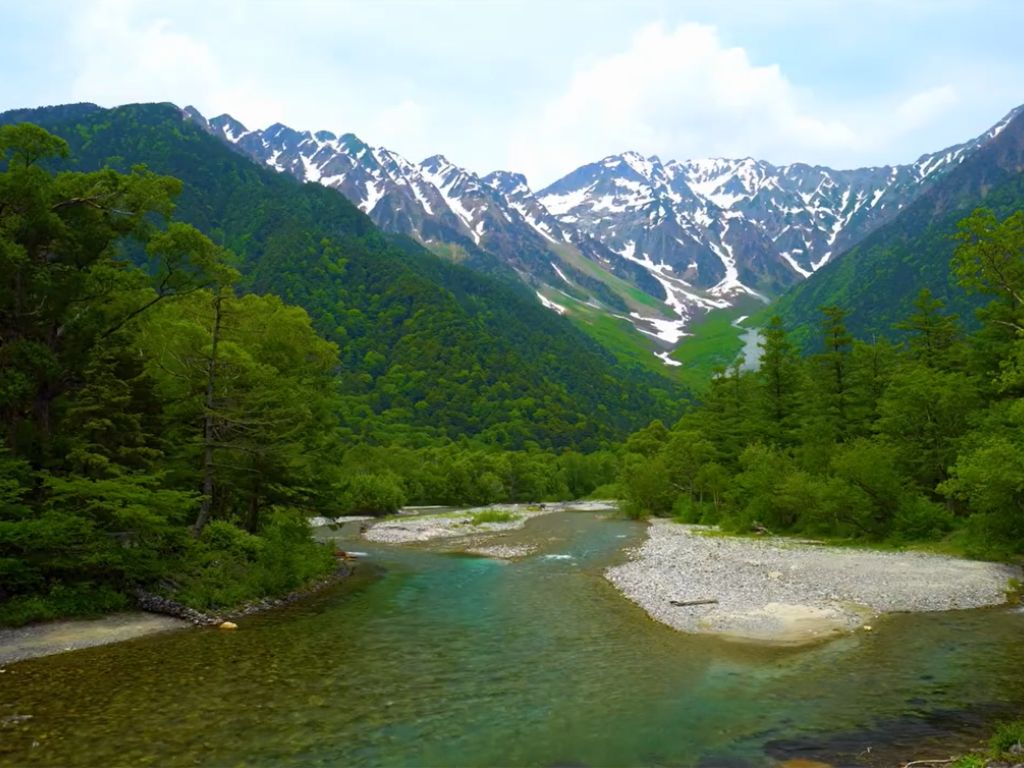
JR West Sanyo-San’in Pass: The Quiet Volcanic Coast
The least visited pass on this list, and arguably the most interesting for anyone who has already done the Tokyo to Kyoto route once. The Sanyo-San’in Area Pass covers both coasts of western Honshu, the busier Sanyo side and the quieter San’in coast facing the Sea of Japan, where the same volcanic activity that built the Ring of Fire shows up in a completely different, far less crowded form. Few foreign travelers make it out here, which is part of the appeal if you want to see Japan’s geology without the queues.
Frequently Asked Questions
Which Japan Rail Pass should I actually buy?
If your trip covers more than two regions or includes Kyushu, the national pass is almost always the better value despite the higher upfront cost. If you are staying within Kansai for a week or less, one of the regional passes will save you money you would otherwise waste on a national pass you barely use.
How far in advance do I need to order?
Delivery passes typically need at least ten days of lead time if shipped to your home address before travel. Exchange office pickup in Japan is faster but still worth arranging before you land, particularly during peak cherry blossom or autumn foliage season when demand spikes.
Is the JR Pass still worth it after the 2023 price increase?
It depends entirely on your route. A single Tokyo to Kyushu round trip on the Shinkansen already costs more than a 7 day national pass, so on a Ring of Fire style itinerary the math still works. For a trip confined to one region, a regional pass or even individual tickets can come out cheaper, which is exactly why comparing passes before booking matters more than it used to.
Whichever Japan Rail Pass you choose, you are riding through the same tectonic story that shaped every stop on this list. Very few countries let you cross that much geological history from a train seat with a coffee in hand.